The first time you heard nobody showed up was a text from the client.
Not from your cleaner. Not from a supervisor. From the person standing in an uncleaned space, waiting.
It’s one of the fastest ways to lose trust. And it’s often why clients leave: the crew didn’t show, and nobody answered when they called.
Make a Problem Impossible to Miss
What changed it was making “something went wrong” impossible to miss.
If a cleaner can’t make it, it gets flagged right away. If a client reports a no-show or a problem, someone owns the reply the same day — and the fix is scheduled before you find out by accident.
Reliability isn’t a slogan. It’s whether the client hears from you before they have to chase you.
How do you find out when a job doesn’t go as planned?
The checklist said kitchen, bathrooms, floors, and trash. It said nothing about a faint mark on the ceiling.
A careful cleaner noticed it anyway. They didn’t ignore it, and they didn’t guess. They flagged it, and it turned out to be an early sign of a leak, caught before it became a much bigger problem.
Checklists Keep the Standard. Eyes Catch the Rest.
Checklists keep the standard consistent. They don’t cover every unusual thing a pair of eyes might see on site.
What helped was giving the team permission, and a simple way, to report anything that looks off. Not just “do the list.” Notice the space. Send a photo or a note. Someone on the office side follows up with the client the same day.
The list tells them what “done” looks like. Trust grows when they also know what to do with the things that aren’t on it.
Has a cleaner on your team ever caught something that wasn’t part of the job?
Sometimes, losing something you depend on can help you rediscover the things you’ve been taking for granted.
Last Saturday was supposed to be a good day.
Actually, it was a great day.
I attended two events, and both were special to me because I wasn’t just there for business. I wanted to show up for friends.
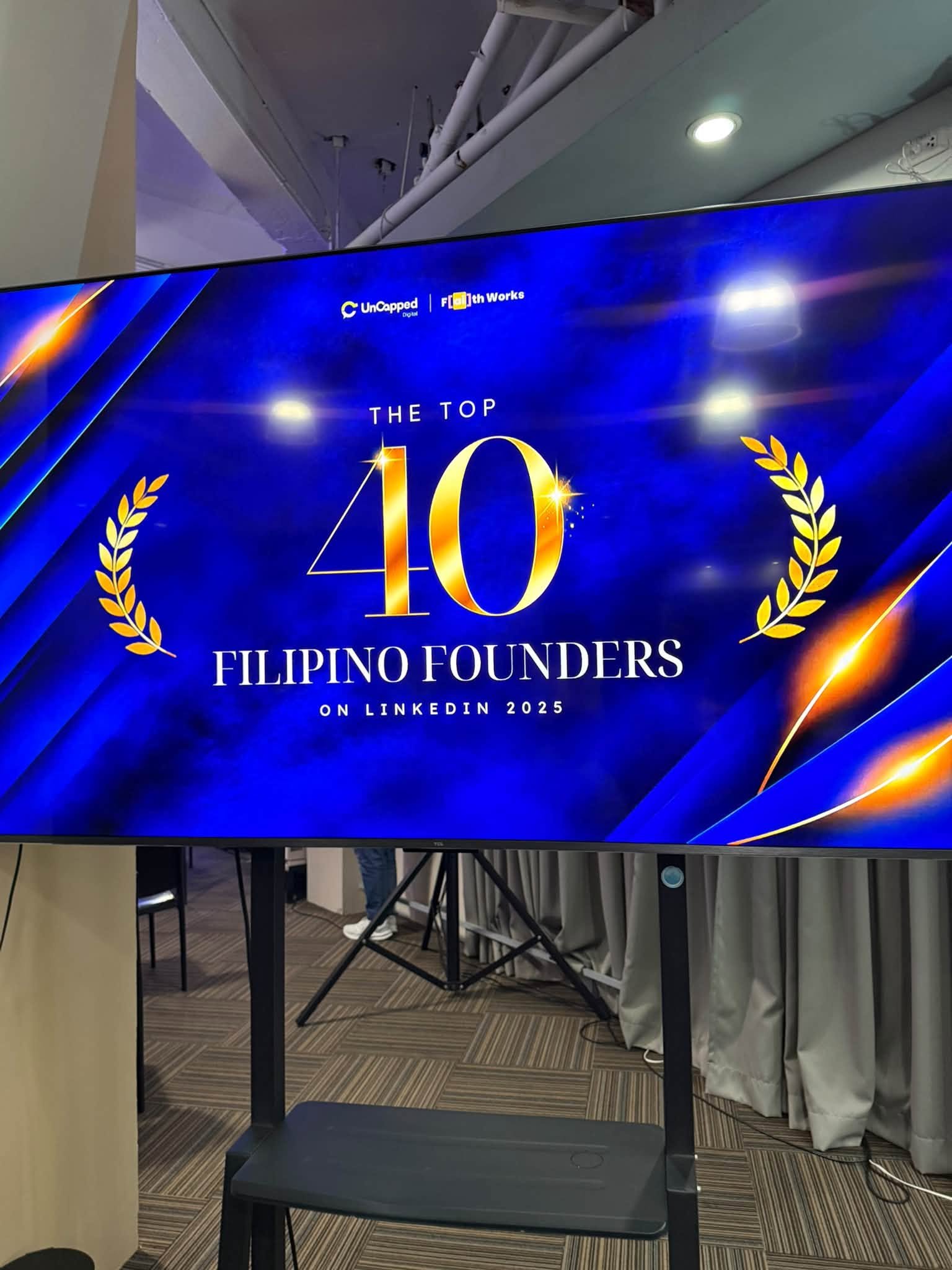
The first was the Top 40 Filipino Founders on LinkedIn event by FaithWorks. The second was an event hosted by High Level Accelerator (HLA), a community I’m part of, organized by my friend Cece Tan.
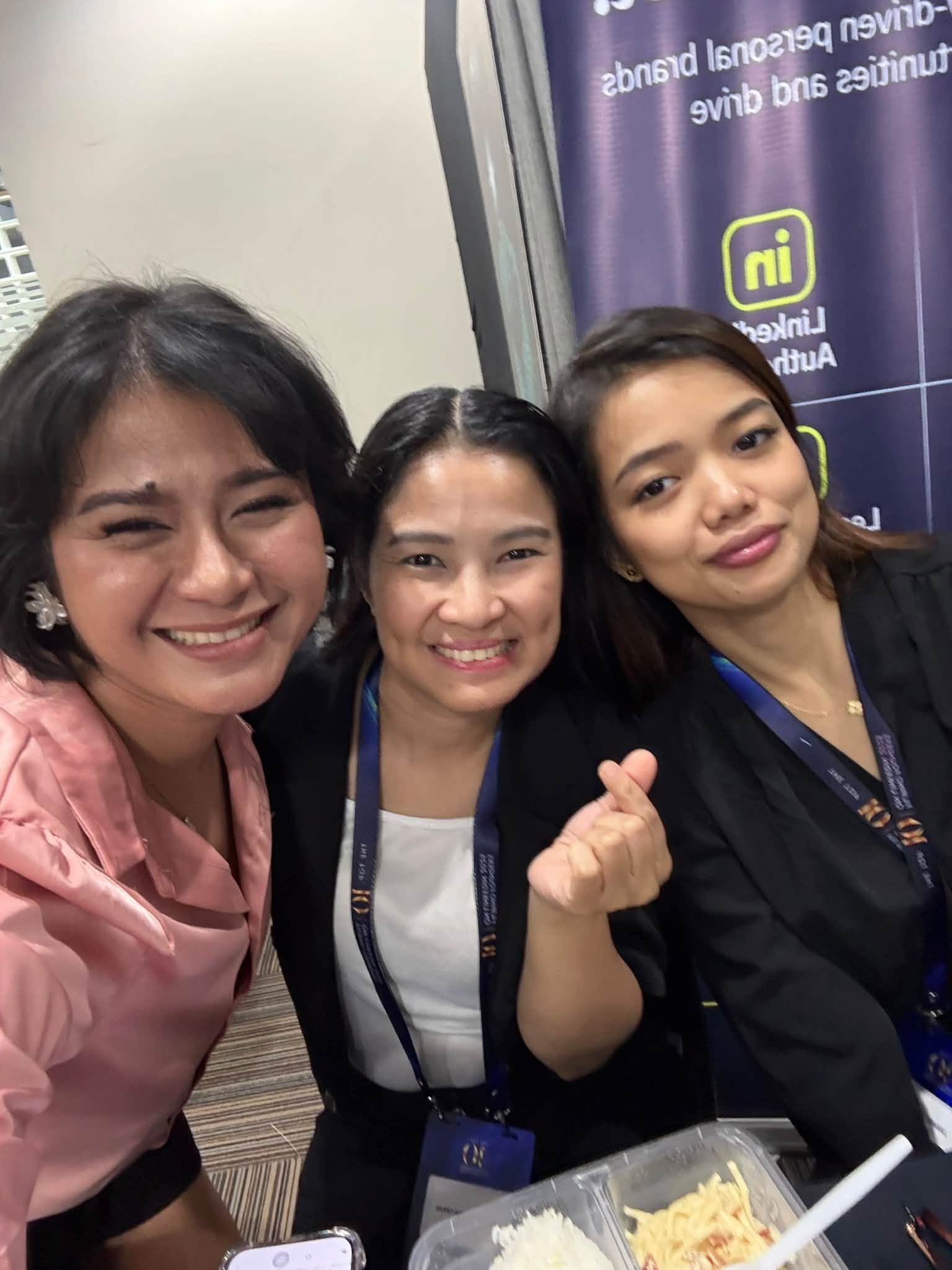
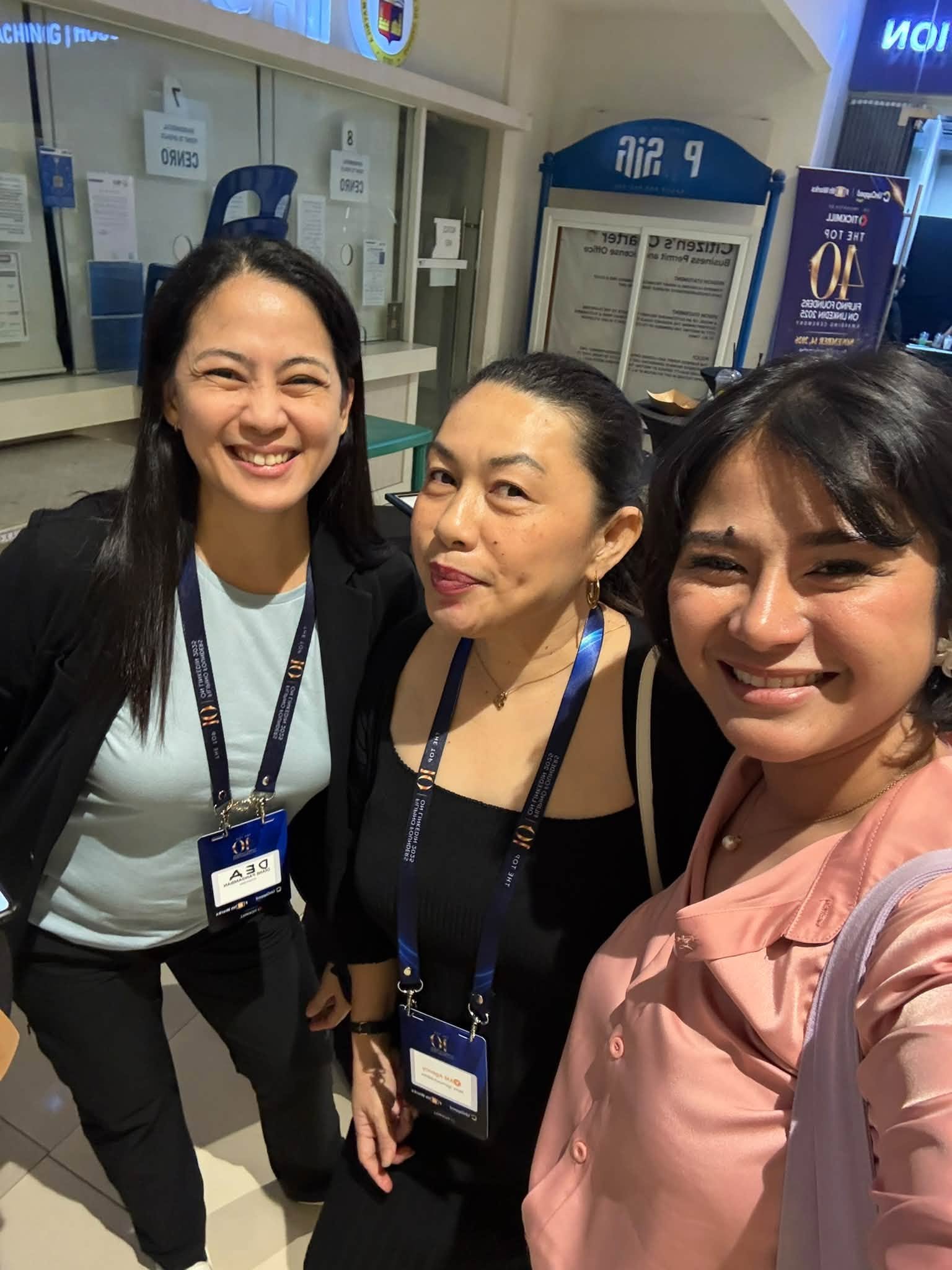
Both events brought together people I genuinely enjoy being around. I was happy to support my friends, reconnect with people in the industry, and spend time with fellow founders.
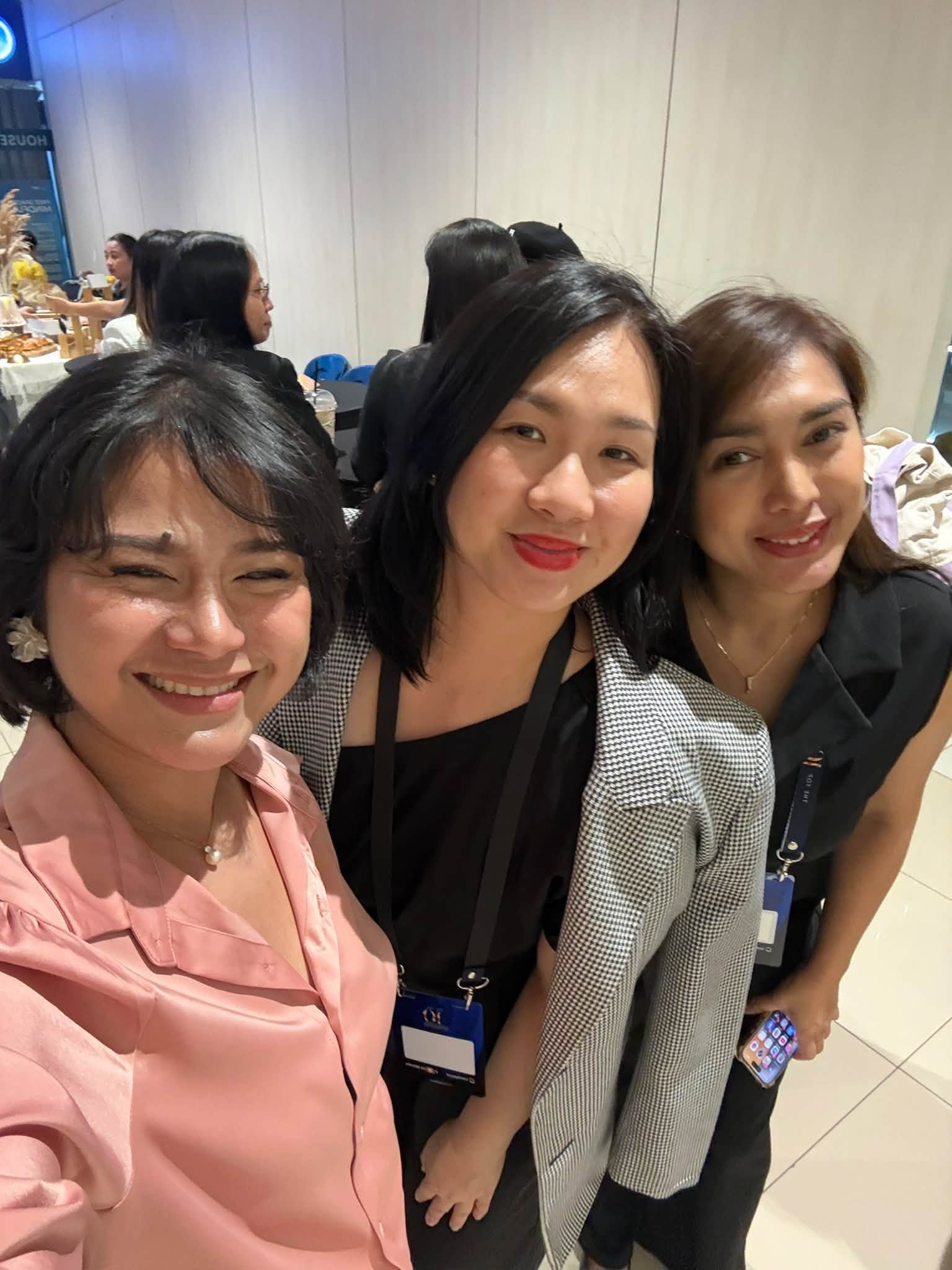
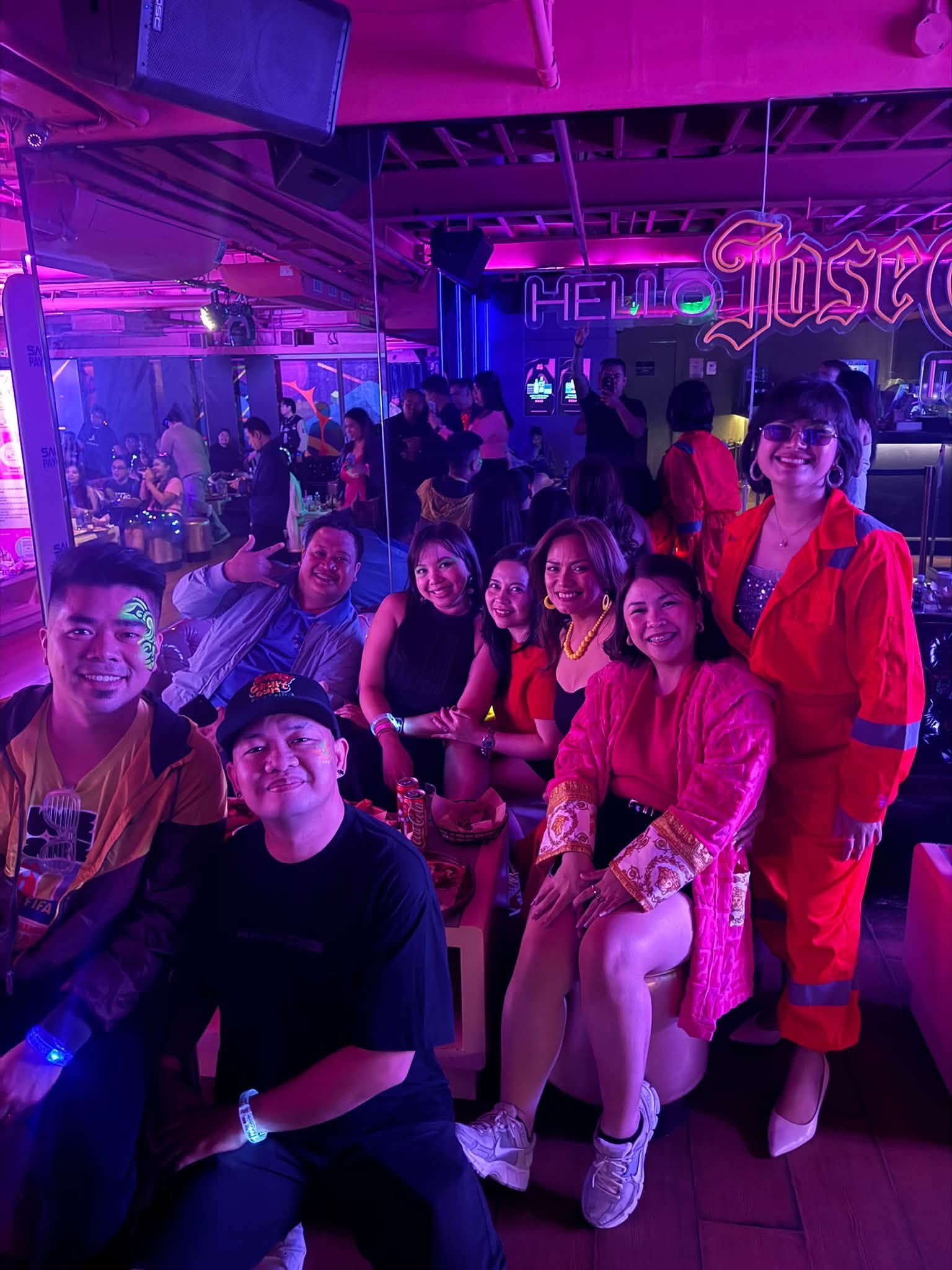
My friend Faith, who organized the Top 40 Filipino Founders on LinkedIn eventTop 40 Filipino Founders on LinkedIn by FaithWorksWith my friend Cece Tan at the HLA Glow PartyHLA Glow Party, hosted by the High Level Accelerator community
After the events, some of us decided to explore the city.
We were walking around, enjoying the evening, talking about business and life, and simply spending time together.
At one point, I even video-called my husband.
I showed him where we were, updated him about our plans, and told him we were going to grab something to eat.
Everything was perfectly normal.
Until it wasn’t.
The Moment I Realized My Phone Was Gone
About fifteen minutes after ending the video call with my husband, I reached into my bag because I wanted to show one of my friends something.
And then I realized something.
My phone wasn’t there.
I checked my bag again.
And again.
Nothing.
My iPhone 16 Pro Max was gone.
At first, I was in disbelief. Then the reality started sinking in.
It wasn’t just the phone.
I had my credit card and driver’s license in the phone case’s card pocket, too.
I immediately borrowed my friend’s phone and called my husband.
Thankfully, we were able to act quickly.
With the help of our finance team, we secured my bank accounts, locked my iCloud, and marked the phone as lost.
We did what we could to protect our information and accounts.
But emotionally, I was still processing what had happened.
That phone wasn’t cheap.
I had bought it brand new, and I remember thinking that I would use it for at least ten years. I wanted to get the most out of my investment.
And just like that, it was gone.
I was sad, frustrated, and honestly, a little lost.
Thankfully, my friends helped me get home by booking a Grab ride.
I was grateful for them because, at that moment, I realized how much I had come to depend on my phone.
No phone. No easy way to contact people. No camera to capture moments. No quick access to the things I usually do without even thinking.
And I remember thinking:
How am I supposed to function without my phone?
Little did I know that the next day would teach me something I wasn’t expecting.
The Day After: An Ordinary Drive That Felt Different
On Sunday morning, my family and I had breakfast together.
My husband drove, and we decided to take a little family trip just to enjoy some lomi.
I was sitting in the front passenger seat, and our three children were at the back.
It was a familiar road.
We had traveled that route many times before.
But something felt different that day.
I wasn’t holding my phone.
I wasn’t checking notifications.
I wasn’t scrolling through anything.
I wasn’t looking at a screen.
I was simply sitting there.
Looking outside.
And suddenly, I noticed how beautiful the surroundings were.
The roads. The trees. The scenery. The places we passed.
I thought to myself:
Wait. This road has always been this beautiful. Why am I only noticing it this way now?
I was physically there, but so much of my attention was somewhere else.
And that thought stayed with me throughout the drive.
We had just bought a brand-new car earlier that year. It was something we had worked for, something I had once looked forward to owning.
Yet there I was, sitting inside it, enjoying the ride in a way I hadn’t fully appreciated before.
Nothing extraordinary was happening.
We weren’t traveling somewhere special.
We weren’t on vacation.
We were simply driving as a family to eat lomi.
But for the first time in a while, I felt like I was actually experiencing the moment instead of documenting it, checking something, or thinking about what was happening online.
And I loved it.
After that, we came home.
We got ready, then went to Nuvali, Santa Rosa, to look for a phone at the nearby malls.
The iPhone Duo wasn’t available.
I called my friend Faith, who had bought her own phone in Greenhills before and helped us find iPhone Duo stock.
She told us to go to Greenhills.
We went home, then asked Ghay, a family member, and her husband to come with us to Greenhills. We all rode together in our car.
That’s where we bought the phone.
My youngest daughter came with us, and I was the one taking care of her.
I Started Paying Attention to My Children
Another thing I noticed was how much more attentive I became to my youngest.
Without my phone in my hand, I found myself naturally giving more attention to what she was doing, listening more, talking to her, and being involved in those little moments.
You know those ordinary interactions that happen every day?
A question. A little conversation. A funny moment. Something your child wants to show you.
Those things were happening whether I had my phone or not.
And I realized something.
Our children don’t necessarily need us to create extraordinary experiences for them every single day.
Sometimes, they just need us to be available.
To listen. To look at them when they’re talking. To give them our attention. To enjoy the ordinary moments together.
I know I’m not a perfect parent.
I have responsibilities, businesses, meetings, people to manage, and so many things happening in my life.
But that Sunday reminded me that being busy should never mean being absent from the moments that matter.
I Asked God: What Are You Trying to Teach Me?
As the day went on, I found myself reflecting on what had happened.
And I started asking God:
What are You trying to teach me through this experience?
Maybe it’s about being more attentive.
Maybe it’s about slowing down.
Maybe it’s about looking around and appreciating what I already have.
Or maybe it’s simply a reminder that I don’t always need to be connected to everything happening in the digital world to appreciate the life I’m actually living.
I don’t want to pretend that losing an expensive phone was a blessing in itself.
It was frustrating.
It was inconvenient.
And I certainly don’t recommend losing your phone just to experience a digital detox!
But sometimes, even an unpleasant experience can lead you to a realization you might not have reached otherwise.
And this was mine.
Perhaps I had become so focused on capturing my life that I wasn’t always fully experiencing it.
Think about that.
We take pictures of beautiful places.
We record our children’s milestones.
We document family outings.
We post our achievements.
We check messages.
We monitor our businesses.
We stay connected to people across the world.
And there’s nothing inherently wrong with any of that.
I love technology.
My businesses depend on technology.
My work requires me to communicate with people, manage operations, and stay connected.
I understand its value more than most people.
We Spend So Much Time Chasing the Next Goal That We Forget How Far We’ve Come
There’s another realization I had during that drive.
As entrepreneurs, we’re always chasing something.
The next milestone. The next client. The next business opportunity. The next revenue target. The next investment. The next big dream.
And I’m guilty of that, too.
I have so many things I want to accomplish.
I think about the future constantly.
What else can I build? Where else can I go? What else can I achieve? How can I make things better for my family? How can I grow my businesses?
And sometimes, in the middle of all that chasing, we forget to look around.
We forget to appreciate how far we’ve already come.
That car I was sitting in?
We worked for it.
That family sitting around me?
That’s one of the greatest blessings of my life.
The freedom to spend a Sunday with my husband and children?
That’s something I once hoped and worked for.
The ability to go out, enjoy a meal, and spend time together?
That’s already something worth appreciating.
But when you’re constantly focused on the next goal, even the things you’ve already achieved can start feeling ordinary.
And I don’t want to live that way.
I don’t want to spend so much time building a life that I forget to actually enjoy the life I’m building.
The Phone Situation Was Eventually Sorted Out. But Something Else Stayed With Me.
We figured out the phone situation there.
My husband decided to get a new phone, and I chose to use his previous iPhone 16 Pro Max.
I wasn’t particularly interested in getting the newer model I had initially considered, so this arrangement worked for us.
The practical problem was sorted out.
My accounts were secured.
We had a replacement phone.
Things were slowly getting back to normal.
But something from that experience stayed with me.
During those first few hours without a phone, I felt like I couldn’t do anything.
I thought I was lost because I had lost my phone.
But after experiencing that Sunday with my family, I started thinking about something else.
I had always thought I needed my phone to stay connected.
But that weekend reminded me that there are things I can only experience when I put it down.
I noticed the scenery.
I enjoyed the morning drive.
I paid attention to my daughter.
I appreciated our family time.
And somehow, those memories felt just as valuable, if not more valuable, than the pictures I could have taken.
I Don’t Want to Disconnect From Technology. I Want to Reconnect With Life.
Let’s be realistic.
I run businesses.
I lead a team.
I communicate with clients.
I work with people in different countries.
My phone is an important tool in my daily life.
I cannot simply throw it away and pretend I don’t need it.
And I don’t think that’s the lesson here.
The lesson isn’t that phones are bad.
The lesson is that we need to be more intentional about how we use them.
I want to be able to put my phone down without feeling like I’m missing something.
I want to be able to sit quietly, look outside, and enjoy the moment.
And when I need my phone for work, communication, or something important, I want to use it intentionally.
Not automatically.
There’s a difference between using technology because you need it and reaching for it simply because it’s always there.
I think I’ve become a little too comfortable with the latter.
And that’s something I want to change.
Maybe I Didn’t Need Another Phone. Maybe I Needed a Reminder.
It’s funny how life works sometimes.
I went out last Saturday to support my friends.
I attended two events.
I enjoyed conversations with fellow founders.
I explored the city.
And I ended the evening losing something expensive and important.
I thought the biggest problem was that I had lost my phone.
But the following day, I realized that the experience had made me notice something much bigger.
I don’t know if I’ll completely change my habits overnight.
I’m sure I’ll still use my phone a lot.
I’ll still take pictures. I’ll still post on social media. I’ll still manage my businesses.
But I want to be more mindful.
I want to look up more often.
I want to notice the little things.
I want to appreciate the people sitting right beside me.
And most importantly, I want to remember that life isn’t only happening on the screen.
It’s happening right here.
In the conversations. In the family drives. In the ordinary Sundays. In the laughter of my children. In the blessings we sometimes overlook because we’re too busy chasing the next one.
So, yes, I lost my phone.
And I’m still not happy about that part. HAHAHA!
But I gained a different perspective.
And maybe that’s something worth keeping.
I don’t want to be so busy capturing my life that I forget to live it.
When was the last time you put your phone down and truly enjoyed the moment you were in?
On November 23, 2026, Create & Reach will turn six.
As that anniversary approaches, I’ve been looking at what we’ve built: the businesses we’ve supported, the opportunities we’ve created for Filipino virtual assistants, and the lessons we’ve learned along the way.
I’m proud of that work. But I’ve also been asking myself a difficult question:
Have we always solved the overwhelm our clients came to us with—or, in some cases, have we simply handed it to someone else?
This isn’t me questioning whether we’ve helped business owners. It’s me questioning whether the way we help is sustainable for everyone involved.
When Delegation Doesn’t Solve the Problem
Our traditional model has been straightforward: one virtual assistant assigned to one client.
That VA can become the go-to person for customer calls, scheduling, sales follow-ups, recruitment, social media, systems, and daily administrative work.
We believed an affordable, all-in-one service would make support more accessible to small business owners. That intention hasn’t changed. What I’m learning is that affordability must come with realistic workloads, clear priorities, and the right expertise—not simply more responsibilities for one person.
For a busy owner, having someone take those responsibilities off their plate can be a huge relief.
But the work doesn’t disappear.
In some cases, we transferred the responsibilities without doing enough to rethink how they should be organized. The owner was no longer juggling everything, but the VA was.
That realization is uncomfortable because I understand why business owners come to us. They need support, not another complicated thing to manage.
But I also understand that a hardworking VA can only stretch so far.
Answering a customer complaint, following up with a lead, interviewing an applicant, and creating content require different skills and different kinds of attention. Being capable of doing each task doesn’t automatically mean someone has the capacity to do them all well, together, every day.
Looking Beyond Individual Performance
When someone struggles, it’s easy to start with questions about their skills, training, or performance.
Those questions matter. But they shouldn’t be the only ones.
Was the role clearly defined? Were the priorities realistic? Did the person have enough time and support? Were we expecting one generalist to deliver the work of several specialists?
As the founder, I need to ask those questions about the service we designed—not just the person delivering it.
We provide training and support, but those cannot fully compensate for a role that keeps expanding without clear boundaries.
That doesn’t mean the one-VA-one-client model is wrong. It can work very well when responsibilities complement one another, the workload is manageable, and expectations are clear.
The problem is treating that arrangement as the answer to every operational need.
This isn’t about blaming clients for needing help or VAs for having limits. It’s about recognizing our responsibility to shape an arrangement that makes sense for both.
The Direction I Want to Explore
I want Create & Reach to become more intentional about how we design support.
Instead of starting only with a list of tasks to delegate, I want us to look more closely at what is happening inside the business.
Where is work getting stuck? Which responsibilities belong together? What needs dedicated attention? What can one person reasonably manage?
Sometimes, a well-defined generalist role may still be the right fit.
Other situations may call for specialized support or a coordinated team, rather than adding more responsibilities to one person’s plate. That could mean combining dedicated assistance with shared specialist support where it makes sense.
The goal isn’t to make the service more complicated. It’s to make responsibilities clearer, workloads more realistic, and coordination less dependent on one person remembering everything.
This is a direction I’m exploring, not a finished model I’m announcing. We still need to listen, evaluate, and test carefully before making changes. I want to understand what genuinely improves the experience for our clients and our team—not simply replace one arrangement with another.
What I’m Taking Into Our Seventh Year
Part of me wishes I had understood this sooner.
But I don’t want that feeling to become the end of the reflection. I want it to change how I lead.
I still believe Filipino professionals bring extraordinary value to businesses. I still believe business owners deserve room to grow their companies and enjoy their lives.
What’s changing is my understanding of what it takes to support both.
Good intentions do not automatically create good systems.
As we approach our sixth anniversary and prepare to enter our seventh year, I want to take greater responsibility for the conditions in which our people and clients work together.
When I started Create & Reach, I wanted to help business owners.
I still do.
Now, I’m learning that helping them better may require changing how we do the work—not simply who we assign it to.
One reschedule text and your whole week shifts, usually at 10 PM.
If your cleaning schedule only works because you remember everything, it’s not a system yet. It’s you.
I say this with love, because I’ve seen how many good cleaning business owners run their days this way. Who is going where, which client moved, which cleaner needs the key, what time the next job starts. It all lives in one head, and that head is yours.
The problem with a schedule that lives in your head
It works, until it doesn’t. A cleaner texts that they can’t make it. A client asks to move Thursday to Friday. You’re in the middle of a job and the message sits unanswered, and every hour it sits, something else can go wrong.
The real cost is that nobody else can step in, because nobody else knows the plan. That keeps you stuck as the scheduler, which is a very expensive job for a business owner.
What a real scheduling system looks like
Someone owns the schedule every day. They confirm tomorrow’s jobs and flag gaps early, before they turn into problems.
Cleaners get their assignments and notes before the day starts. No guessing, no last-minute calls.
Clients get clear, friendly reminders. Fewer surprises, and fewer reschedules at the last minute.
An AI employee handles reminders in the background. The routine work runs by itself, and people handle the judgment calls.
People for judgment, AI for the routine
This is how I think about being an AI-empowered founder. I don’t want AI making the calls that need care, like moving a client’s job or deciding who covers a call-out. I want it taking the repetitive work off people’s hands so they can focus on the judgment.
At Create & Reach, that means your dedicated VA, supported by a team leader, trainers, QA and backup, owns the schedule day to day. The AI employee quietly handles the reminders. You stop being the only person who knows the plan.
A simple place to begin
You don’t have to change everything at once. Start with the schedule. Get it out of your head and into one shared place, decide who confirms tomorrow’s jobs each afternoon, and let the rest grow from there.
So, where does your schedule live right now: in a system, or in your head?
If you’d like to start with the schedule and build from there, you can book a call with me.
Most cleaning business owners don’t have a hiring problem. They have a hiring follow-up problem.
The good applicant didn’t say no. You just called back too late.
I’ve seen this happen in so many cleaning businesses. The owner posts a job ad, applications come in, and then the week gets busy. There are jobs to run, clients to answer and a schedule to hold together. By the time someone finally replies to the applicant, they’ve already said yes to somebody else.
So the problem usually isn’t finding people. It’s the follow-up.
Why hiring follow-up slips in a cleaning business
When you’re the owner, hiring competes with everything else on your plate. Replying to an applicant never feels as urgent as a client who is waiting on you, so it gets pushed to tonight, then to the weekend.
Then a cleaner calls out, and suddenly hiring is an emergency. You need someone now, and the good candidates from last week are gone.
What good hiring follow-up looks like
You don’t need anything complicated. You need a few simple things done the same way, every time:
A fast, friendly reply to every applicant. Even a short message tells a good candidate that you’re serious.
The same short screening questions for everyone. You compare people fairly, and you stop starting from scratch with each one.
Set interview time slots. Interviews go into blocks you chose, instead of taking over your week.
A backup list of good candidates. When someone calls out, you already know who to call first.
Who owns it?
This is the part most owners skip. A follow-up process only works when someone owns it every day, and that person usually can’t be you while you’re out running the business.
That’s why at Create & Reach I set up support as a team, not a lone assistant. Your dedicated virtual assistant is backed by a team leader, trainers, QA and backup, so replies keep going out even when someone is out of the office. As an AI-empowered founder, I also like using an AI employee in the background to help with reminders and drafts, while people handle the conversations.
Where to start
If hiring follow-up is slipping in your business, start small. Write your screening questions down, pick two interview windows a week, and start a simple backup list. Then decide who replies to applicants within the same day.
One honest question for you: who handles hiring in your business right now? If the answer is “me, when I have time,” that’s your first thing to hand off.
If you’d like help building a hiring follow-up that doesn’t live on your to-do list, you can book a call with me.
Your cleaning business can be fully booked. Your phone can ring all day. Your team can work nonstop. But does that mean your business is actually profitable?
Not necessarily.
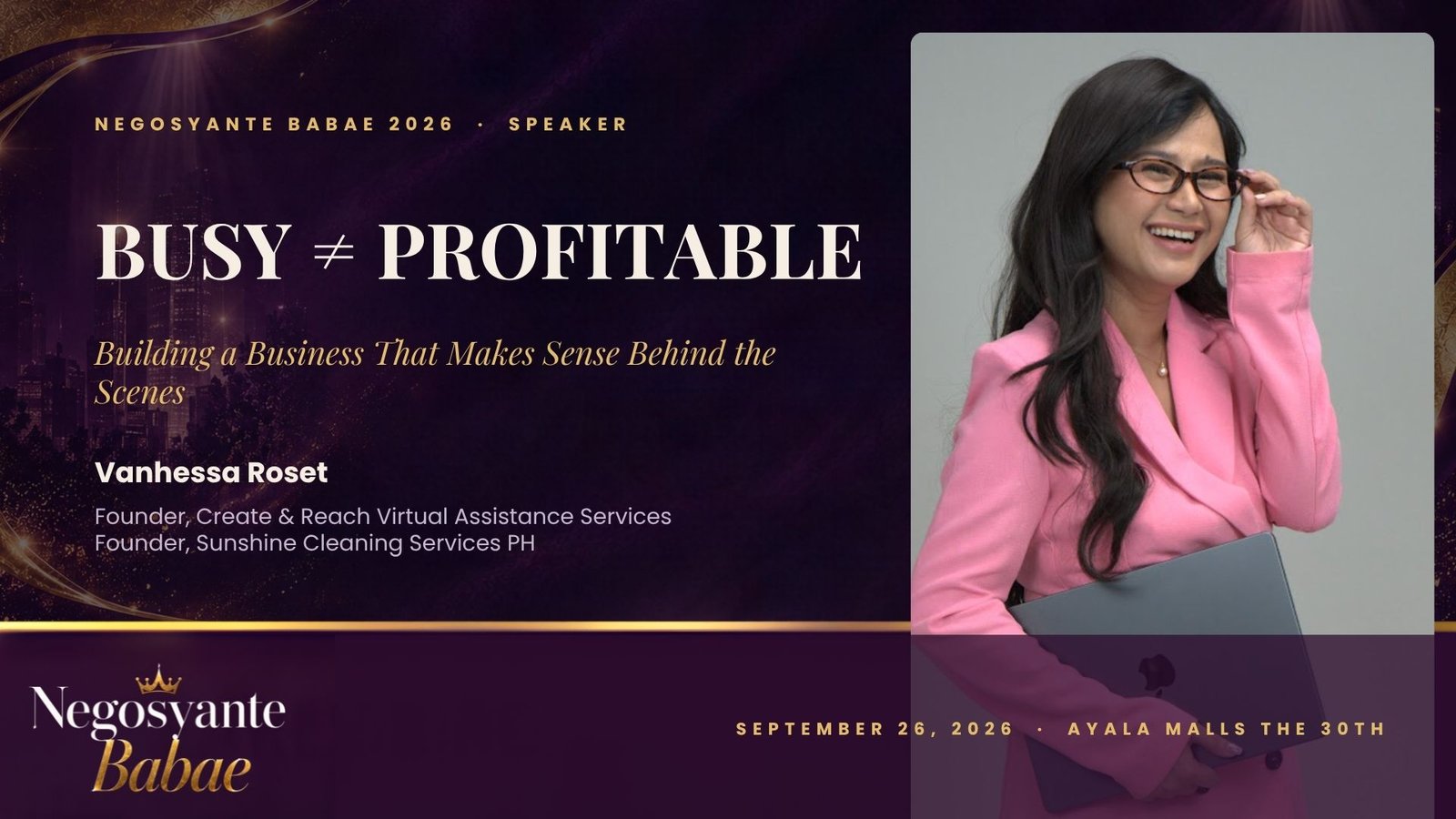
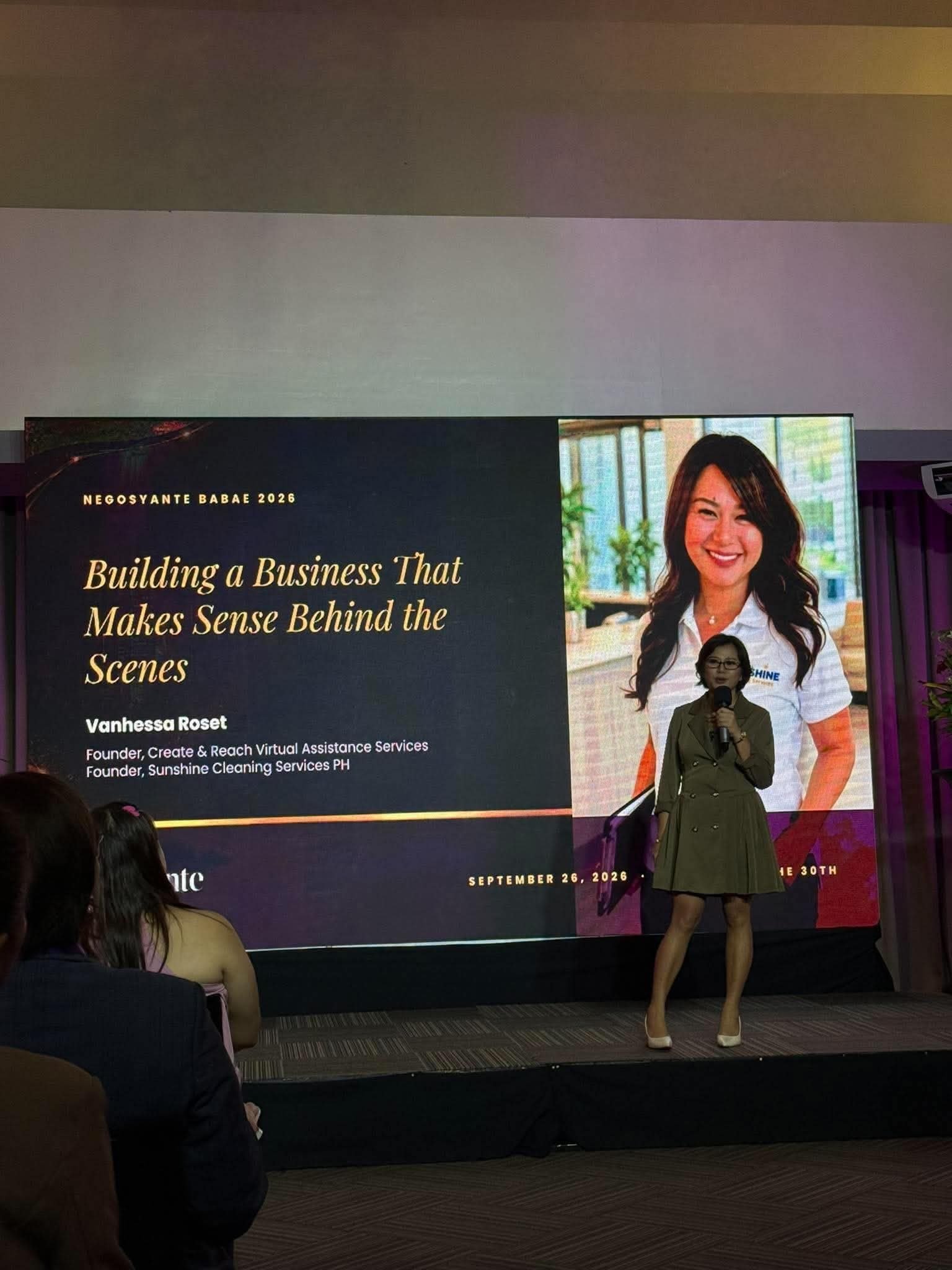
That was one of the key messages I shared on September 26, 2026, at Negosyante Babae 2026 at Ayala Malls The 30th, an entrepreneurship and women-empowerment event in the Philippines where I spoke to women business founders.
I was speaking to fellow entrepreneurs in Manila, but the lesson applies just as much to cleaning business owners in the United States, Canada, Australia, and New Zealand.
I’ve worked in this industry since 2018, first as a virtual assistant and then, for nearly six years now, building Create & Reach alongside cleaning companies. I also run my own cleaning business here in the Philippines. On both sides, I’ve learned the same thing:
A busy business and a profitable business are not always the same thing. And sometimes the busiest owners are the ones with the least freedom.
Vanhessa Roset opening her talk at Negosyante Babae 2026
1. A Full Schedule Doesn’t Guarantee Profit
From the outside, a fully booked calendar looks like success. Cleaners are working, inquiries are coming in, new customers are signing up.
But revenue isn’t what you keep. Once you pay your cleaners, buy supplies, run your ads, and cover insurance, software, transportation, and overhead, the amount left over can be much smaller than the number on your monthly sales report.
Then add up the hours you personally spend managing appointments, resolving complaints, handling staffing issues, and answering calls.
The real question becomes: Are you building a profitable cleaning business, or a very demanding job for yourself?
There’s nothing wrong with working hard. Most businesses start that way. But over time, hard work should turn into stronger systems, better margins, and more freedom.
2. More Jobs Can Mean More Problems Without the Right Systems
One of the biggest mistakes growing cleaning businesses make is chasing more customers before strengthening operations.
When marketing starts working, it’s exciting: more calls, more quote requests, more recurring clients. But growth brings questions:
Who’s answering new inquiries?
Who’s following up on estimates?
Who’s confirming appointments?
Who’s handling reschedules and cancellations?
Who’s checking that invoices went out and payments came in?
Who’s tracking complaints and unresolved issues?
If the answer to every question is you, your business has a bottleneck. And every new customer makes it bigger.
Growth doesn’t fix operational problems. It exposes them. Before you scale, make sure your current systems can handle the extra volume.
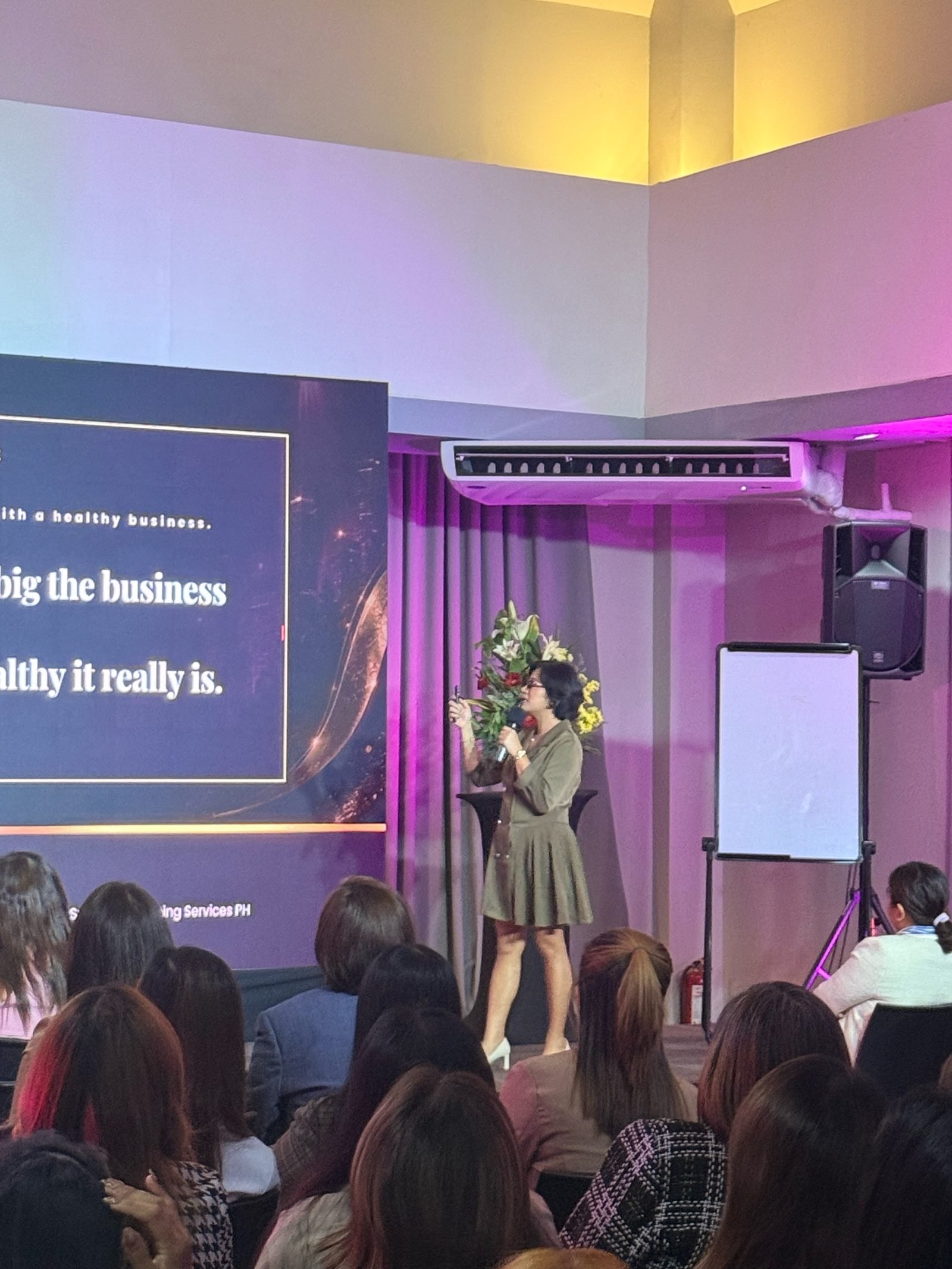
Talking about what makes a healthy business
3. Track the Numbers That Actually Matter
Revenue is important, but it shouldn’t be the only number you watch. Cleaning business owners need visibility into:
Profit margin: what you actually keep from every dollar you earn
Labor costs per job: what each clean really costs you in wages and time
Customer acquisition cost: what you spend to win each new customer
Lead conversion rate: how many inquiries turn into booked jobs
Recurring customer retention: how many clients keep coming back
Revenue per job: whether your prices are actually covering your costs
Outstanding receivables: money you’ve earned but haven’t collected yet
Say your business receives 100 inquiries in a month but only books 20. Before spending more on ads, look at your lead response times, your sales scripts, your follow-up process, and your pricing.
Improving conversion can create more profitable growth than simply increasing your marketing budget.
4. The Owner Shouldn’t Be the Entire Operations Department
Many cleaning business owners struggle to delegate. You answer the phone, send quotes, schedule cleaners, respond to customer concerns, manage payroll information, track invoices, and sometimes still step in to clean.
At first, that may be necessary. But as the business grows, it becomes expensive, both financially and personally.
Every hour you spend on repetitive admin is an hour you could invest in sales, leadership, customer relationships, strategy, or your family.
So ask yourself: What tasks am I still doing that someone else could manage just as effectively with the right training and systems?
Delegation isn’t giving up control. It’s creating clearly assigned responsibilities, monitoring performance, and getting results that don’t depend on your constant involvement.
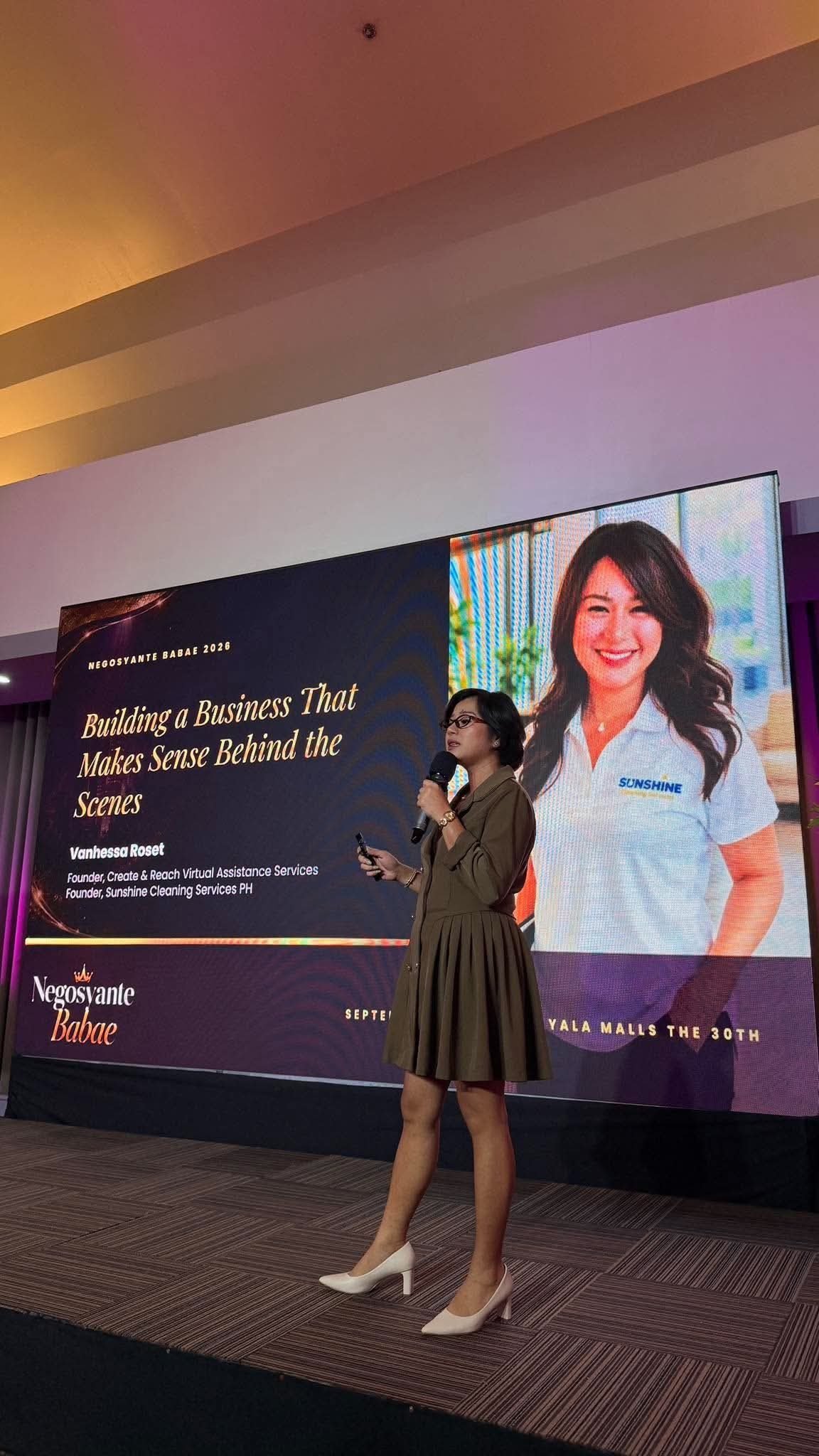
Speaking at Negosyante Babae 2026
5. Technology and AI Are Powerful, but They Still Need Accountability
AI and automation can help with customer communication, appointment reminders, lead follow-up, reporting, and administrative work. For cleaning businesses, that’s a huge opportunity.
But here’s what I’ve learned: automating a broken process doesn’t necessarily fix it. Sometimes, it just makes the problems happen faster.
Before you add tools, understand your workflow:
Who owns the process?
What happens when something goes wrong?
Who checks the results?
Who follows up?
Who makes sure customers are actually cared for?
AI can assist with execution, but human judgment, oversight, and accountability remain essential. That’s why at Create & Reach, every client has a trained virtual assistant who owns the process, with an AI employee working 24 hours behind the scenes to support them. The strongest businesses combine clear systems, the right technology, and reliable people.
6. Your Virtual Assistant Should Create Capacity, Not More Work
Many owners focus on how many tasks they can hand off. The bigger opportunity is what that support makes possible.
At Create & Reach, we work with cleaning companies on customer communication, scheduling, estimate follow-ups, administrative coordination, and day-to-day operational support. The goal isn’t to keep a virtual assistant busy. It’s to create capacity, so you can:
Serve more customers
Develop your employees
Focus on higher-value decisions
Step away without worrying about what’s being missed
That takes training, documented processes, clear expectations, and regular performance monitoring. Hiring someone doesn’t automatically create a system. But the right person working inside the right system becomes an important part of your growth.
7. Build a Business That Supports Your Life
After years of building businesses and teams, I’ve come to believe that success isn’t only about revenue. It’s also about what your business allows you to do with your life.
Can you take a vacation without constantly checking your phone?
Can you spend an afternoon with your children without worrying about unanswered inquiries?
Can your team resolve routine issues without waiting for your approval?
Can your business keep serving customers well when you’re unavailable?
These are meaningful signs of operational maturity. Profitability creates financial strength. Systems create consistency. Delegation creates capacity. You need all three to build something sustainable.
With fellow speakers at Negosyante Babae 2026
Final Thoughts: Stop Measuring Success by How Busy You Are
If there’s one message I hope cleaning business owners take from my Negosyante Babae 2026 talk, it’s this:
Don’t build a cleaning business that just keeps you busy. Build one that becomes more profitable, more organized, and less dependent on you.
More customers aren’t always the answer. Sometimes the next stage of growth comes from better pricing, a stronger sales process, fewer operational gaps, or a more accountable support team.
You don’t need to work more hours. You may need a better way of operating. That’s a lesson I keep applying in my own businesses, too.
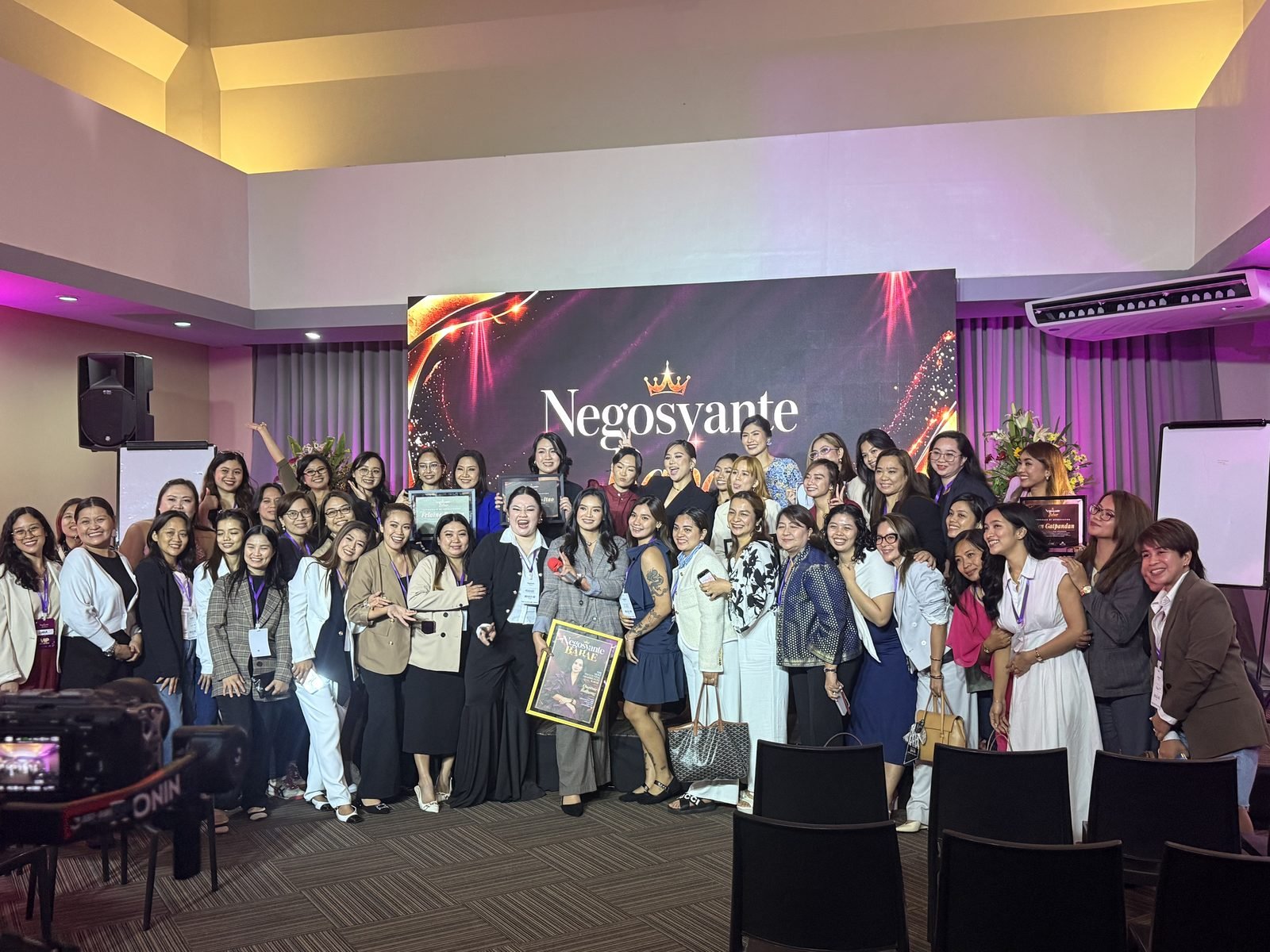
With the attendees of Negosyante Babae 2026
Ready to Build a Cleaning Business That Doesn’t Depend on You for Everything?
Create & Reach is an AI-empowered virtual solutions company for cleaning and home-service businesses in the United States, Canada, Australia, and New Zealand. We provide full-time administrative and operations support: a dedicated virtual assistant, backed by an AI employee working 24 hours behind the scenes, both working on top of the systems you already use.
Whether you’re struggling to keep up with inquiries, manage bookings, follow up with prospects, or keep customer communication consistent, we can help you reclaim your time and make room to grow.
Let’s talk about what’s slowing your cleaning business down.
Vanhessa Roset is the AI-empowered Founder and CEO of Create & Reach, a Philippines-based virtual solutions company that supports cleaning and home-service businesses with full-time, AI-empowered administrative and operations support. She has worked in the industry since 2018, first as a virtual assistant, and also runs her own cleaning business in the Philippines, Sunshine Cleaning Services PH. She is passionate about helping business owners build scalable systems, develop people, and create sustainable businesses.