The first time you heard nobody showed up was a text from the client.
Not from your cleaner. Not from a supervisor. From the person standing in an uncleaned space, waiting.
It’s one of the fastest ways to lose trust. And it’s often why clients leave: the crew didn’t show, and nobody answered when they called.
Make a Problem Impossible to Miss
What changed it was making “something went wrong” impossible to miss.
If a cleaner can’t make it, it gets flagged right away. If a client reports a no-show or a problem, someone owns the reply the same day — and the fix is scheduled before you find out by accident.
Reliability isn’t a slogan. It’s whether the client hears from you before they have to chase you.
How do you find out when a job doesn’t go as planned?
The checklist said kitchen, bathrooms, floors, and trash. It said nothing about a faint mark on the ceiling.
A careful cleaner noticed it anyway. They didn’t ignore it, and they didn’t guess. They flagged it, and it turned out to be an early sign of a leak, caught before it became a much bigger problem.
Checklists Keep the Standard. Eyes Catch the Rest.
Checklists keep the standard consistent. They don’t cover every unusual thing a pair of eyes might see on site.
What helped was giving the team permission, and a simple way, to report anything that looks off. Not just “do the list.” Notice the space. Send a photo or a note. Someone on the office side follows up with the client the same day.
The list tells them what “done” looks like. Trust grows when they also know what to do with the things that aren’t on it.
Has a cleaner on your team ever caught something that wasn’t part of the job?
Sometimes, losing something you depend on can help you rediscover the things you’ve been taking for granted.
Last Saturday was supposed to be a good day.
Actually, it was a great day.
I attended two events, and both were special to me because I wasn’t just there for business. I wanted to show up for friends.
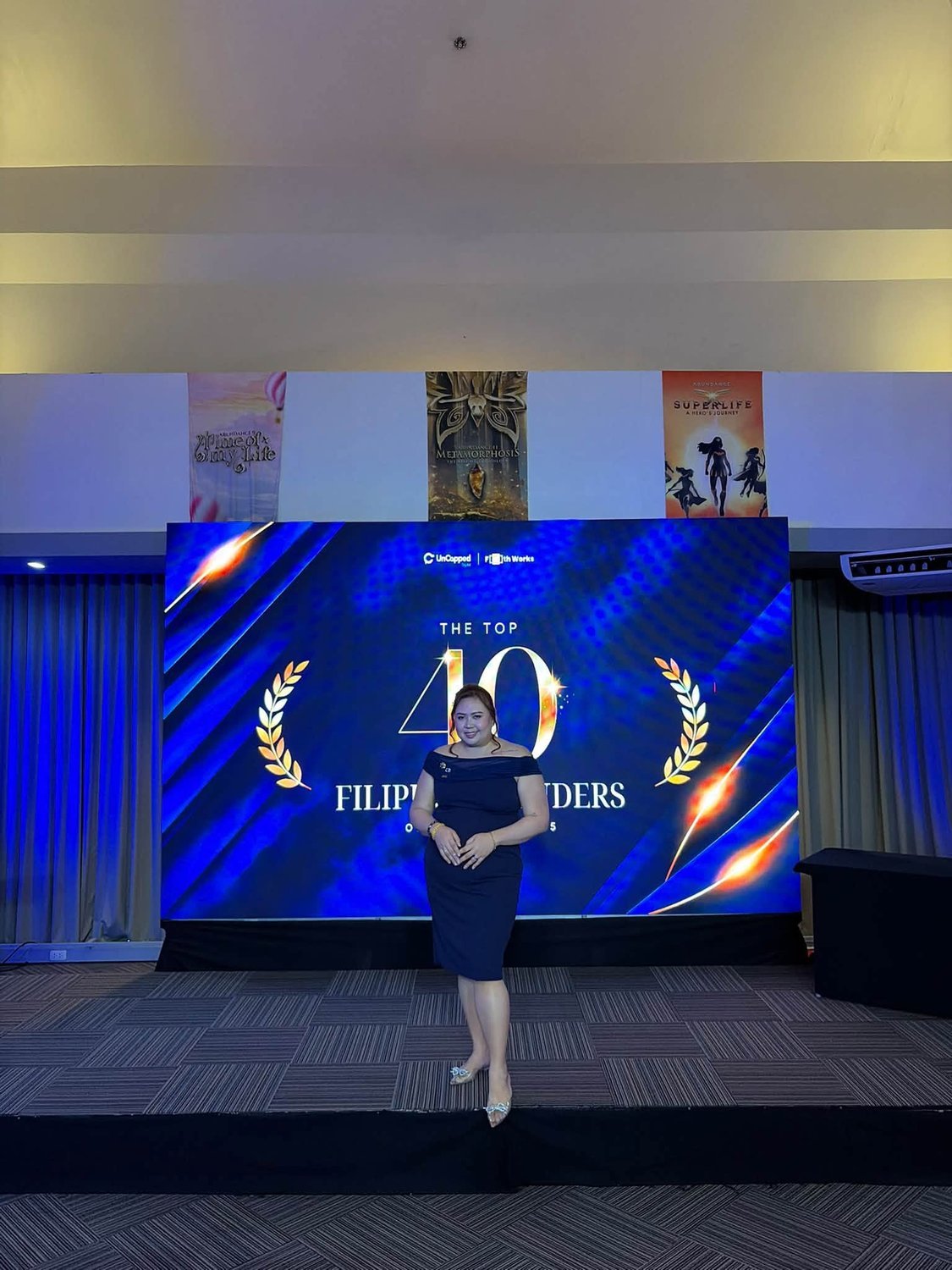
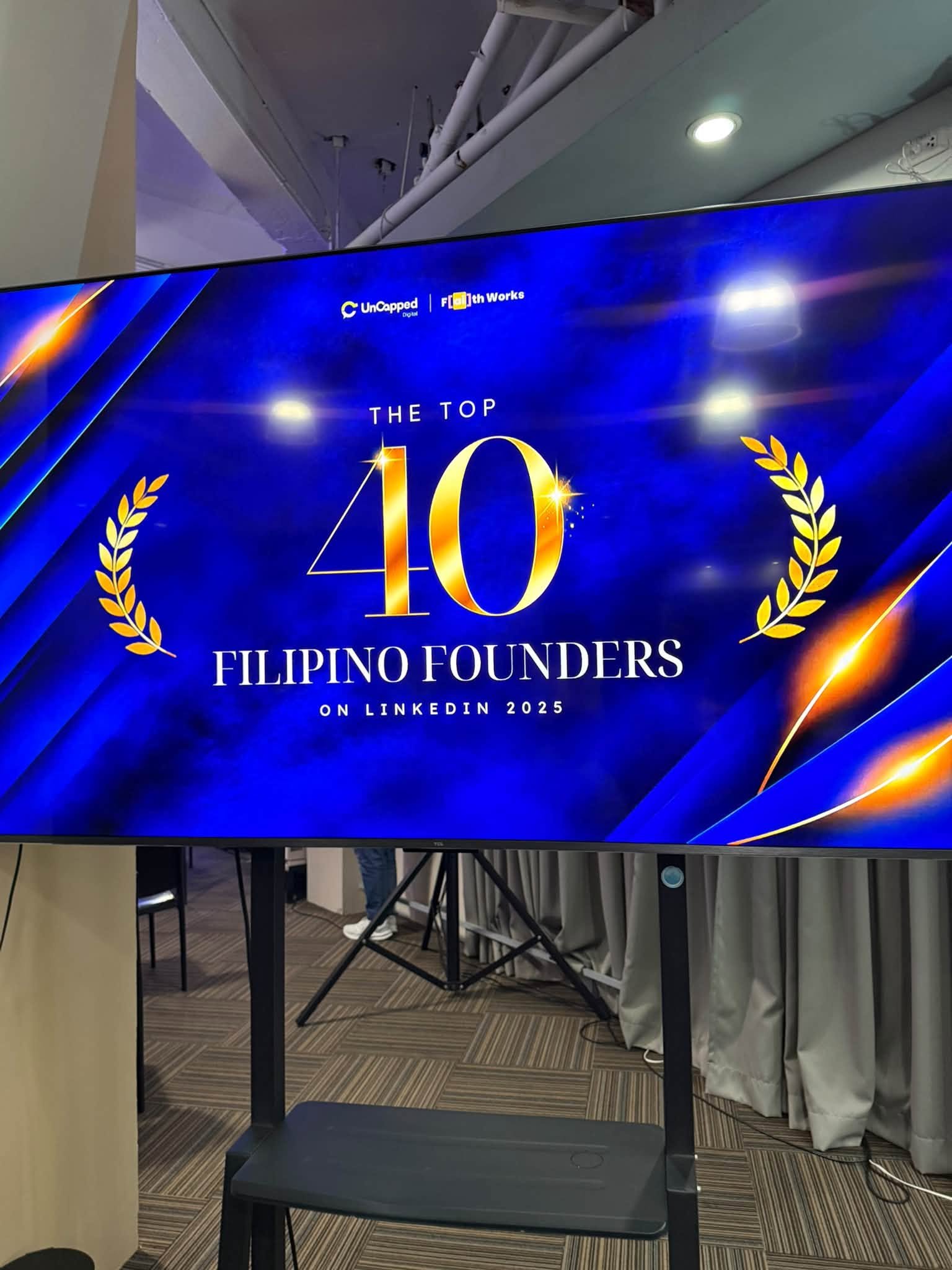
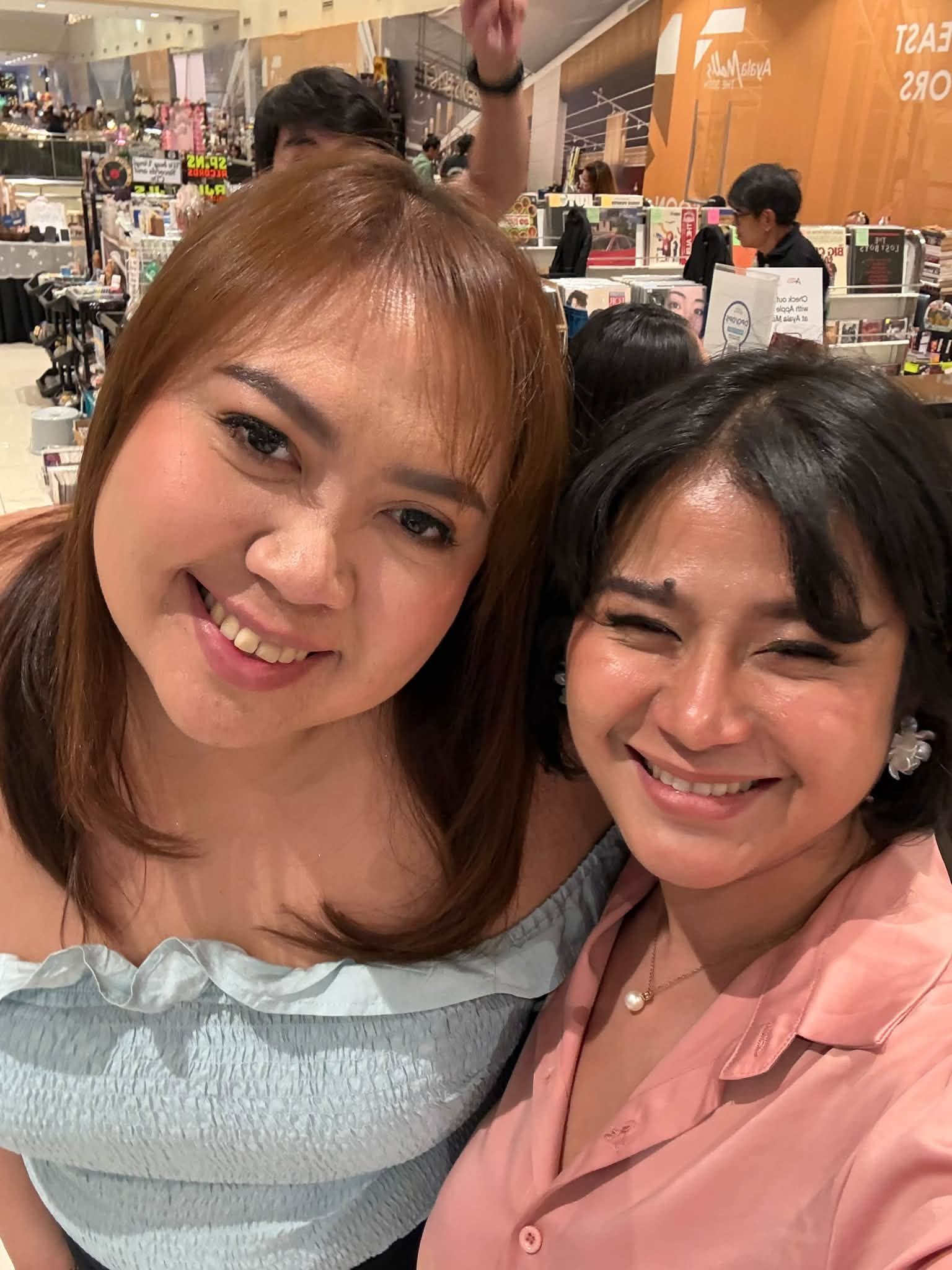
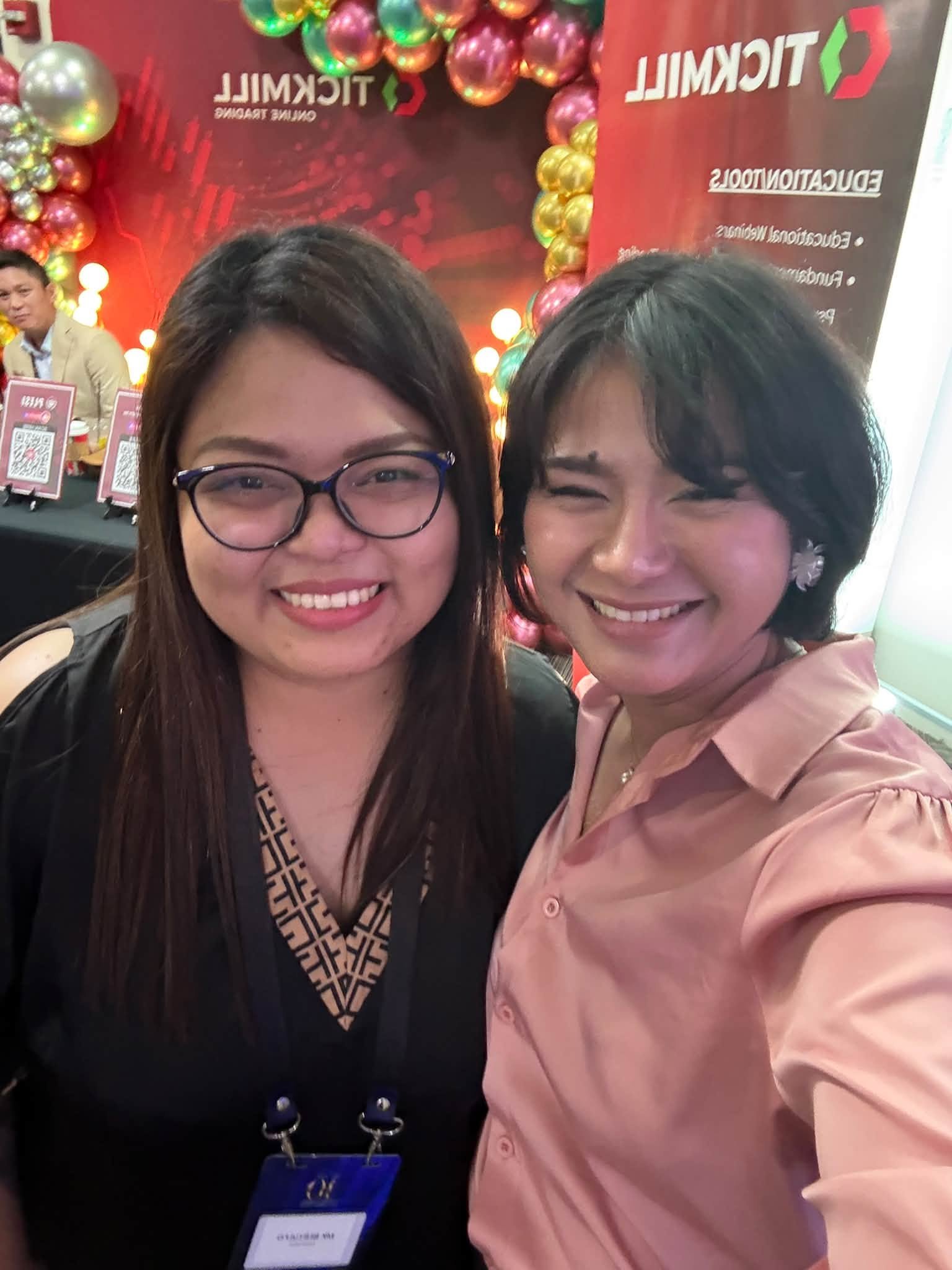
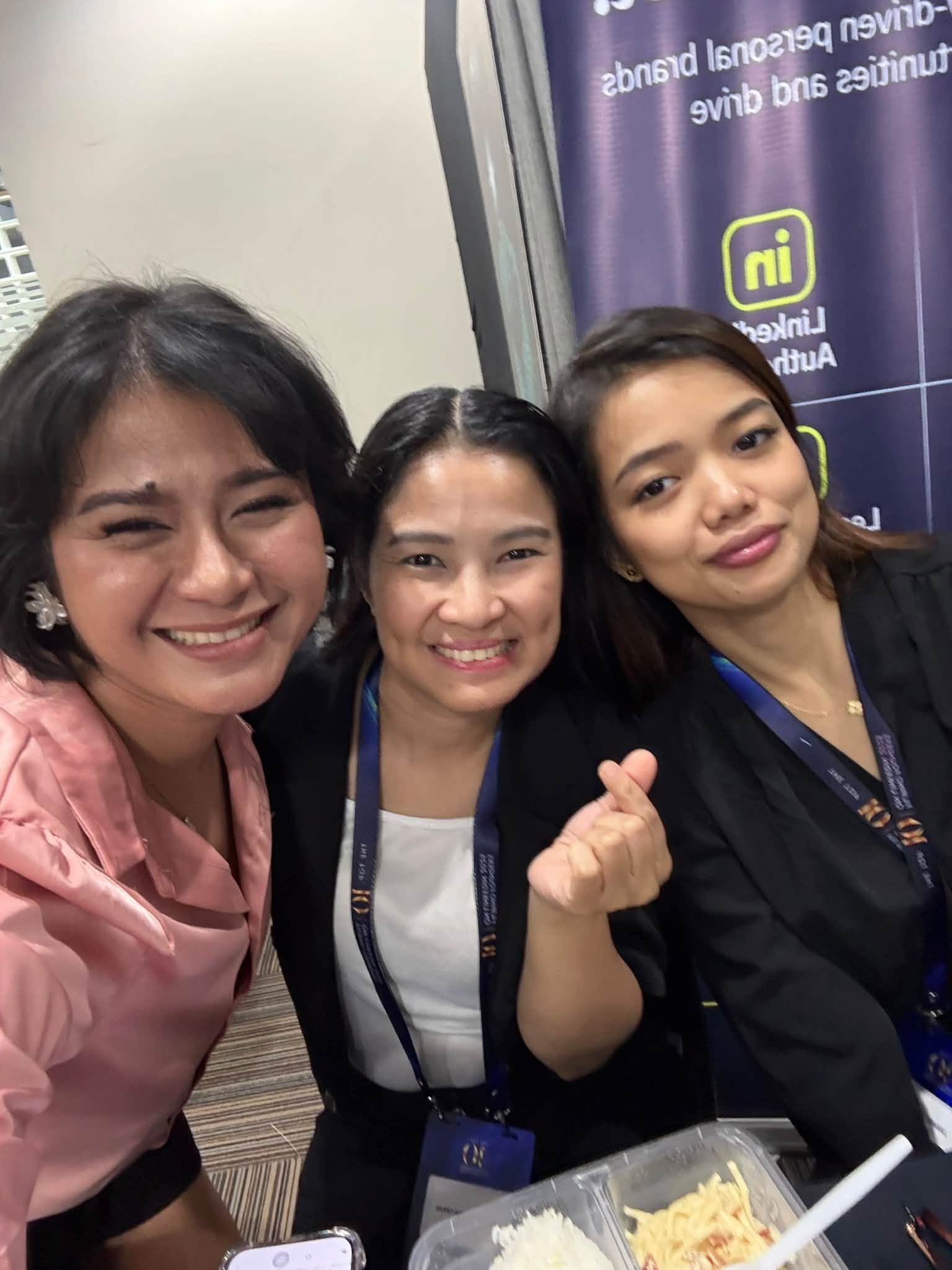
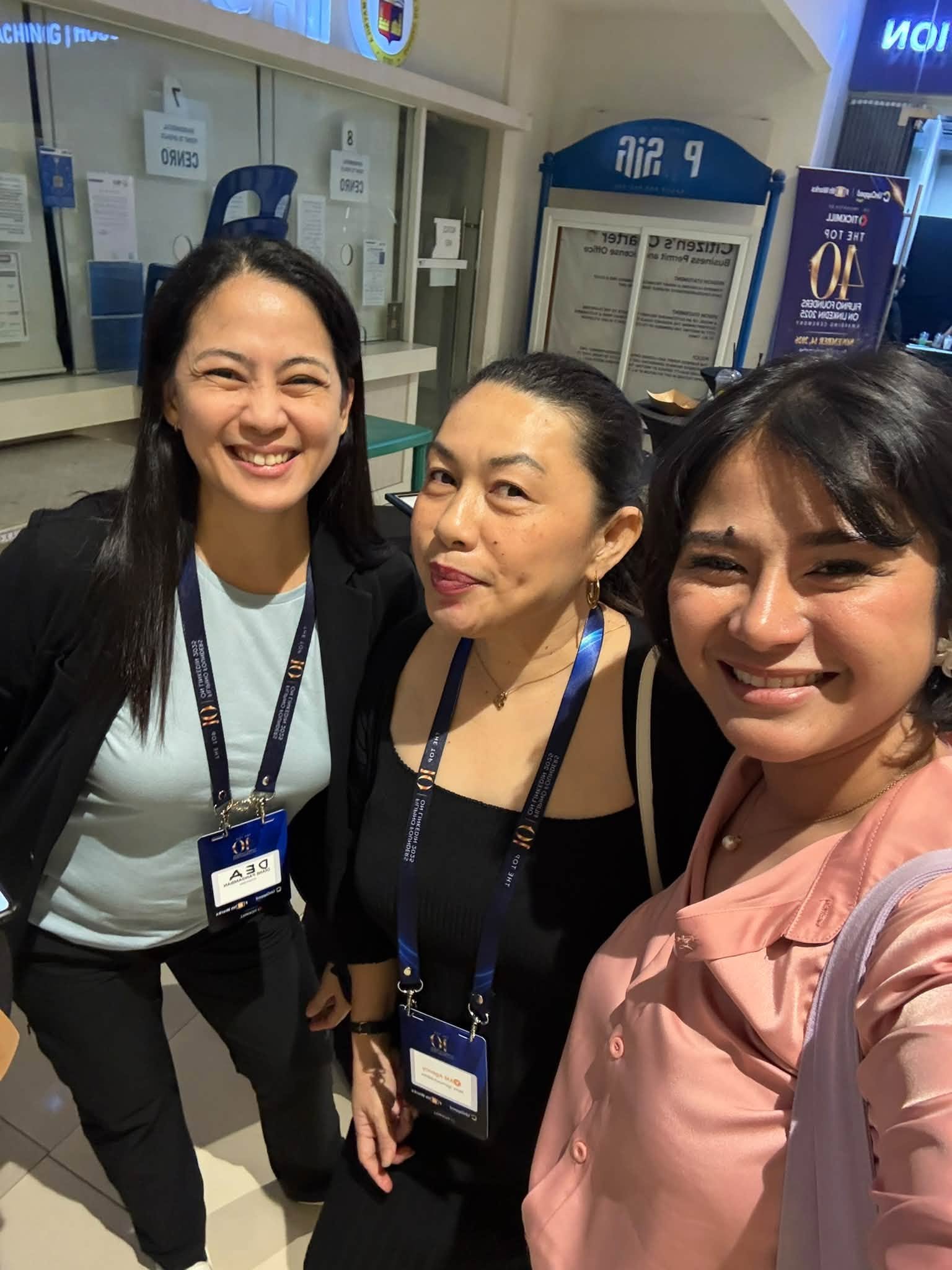
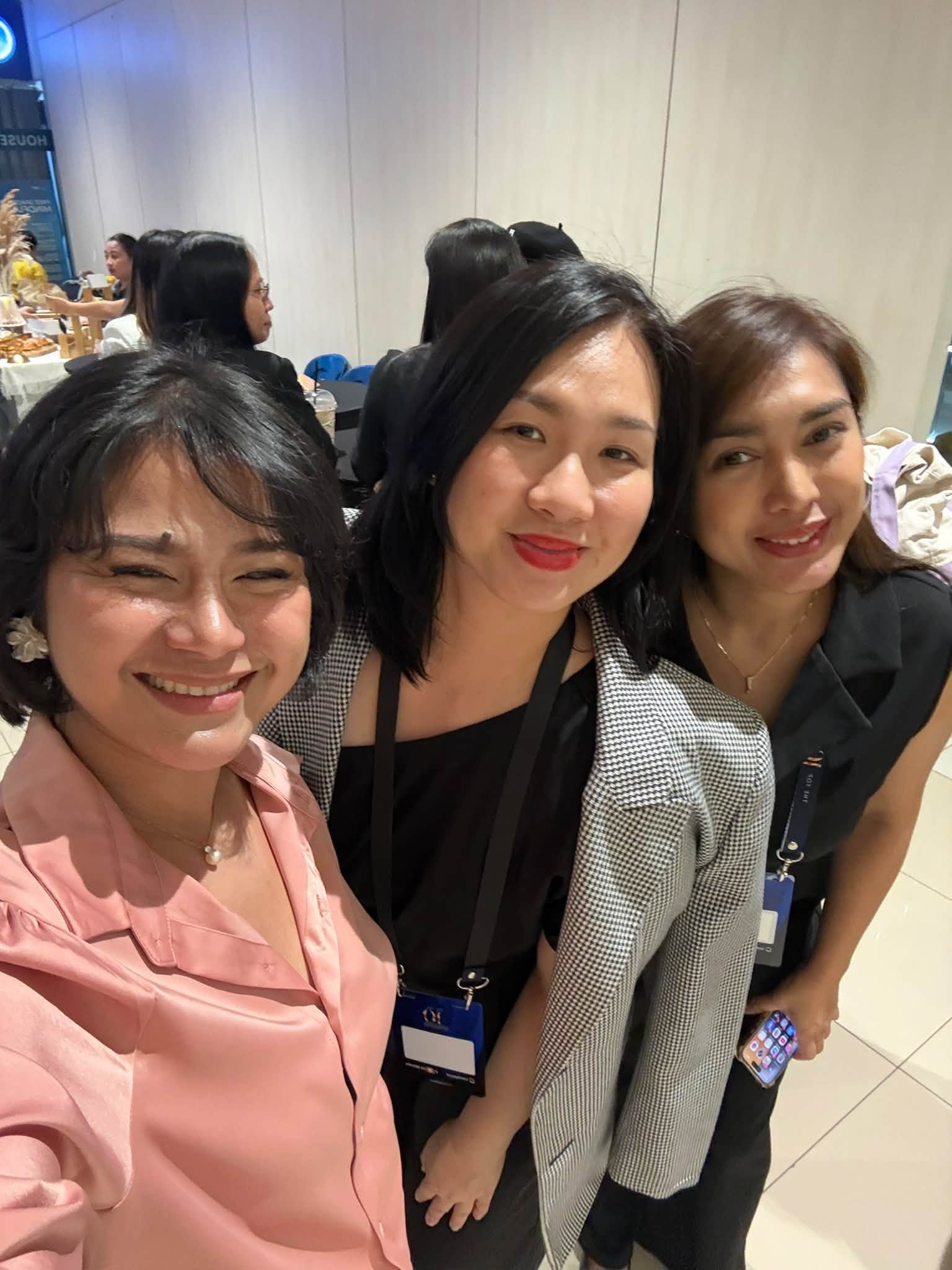
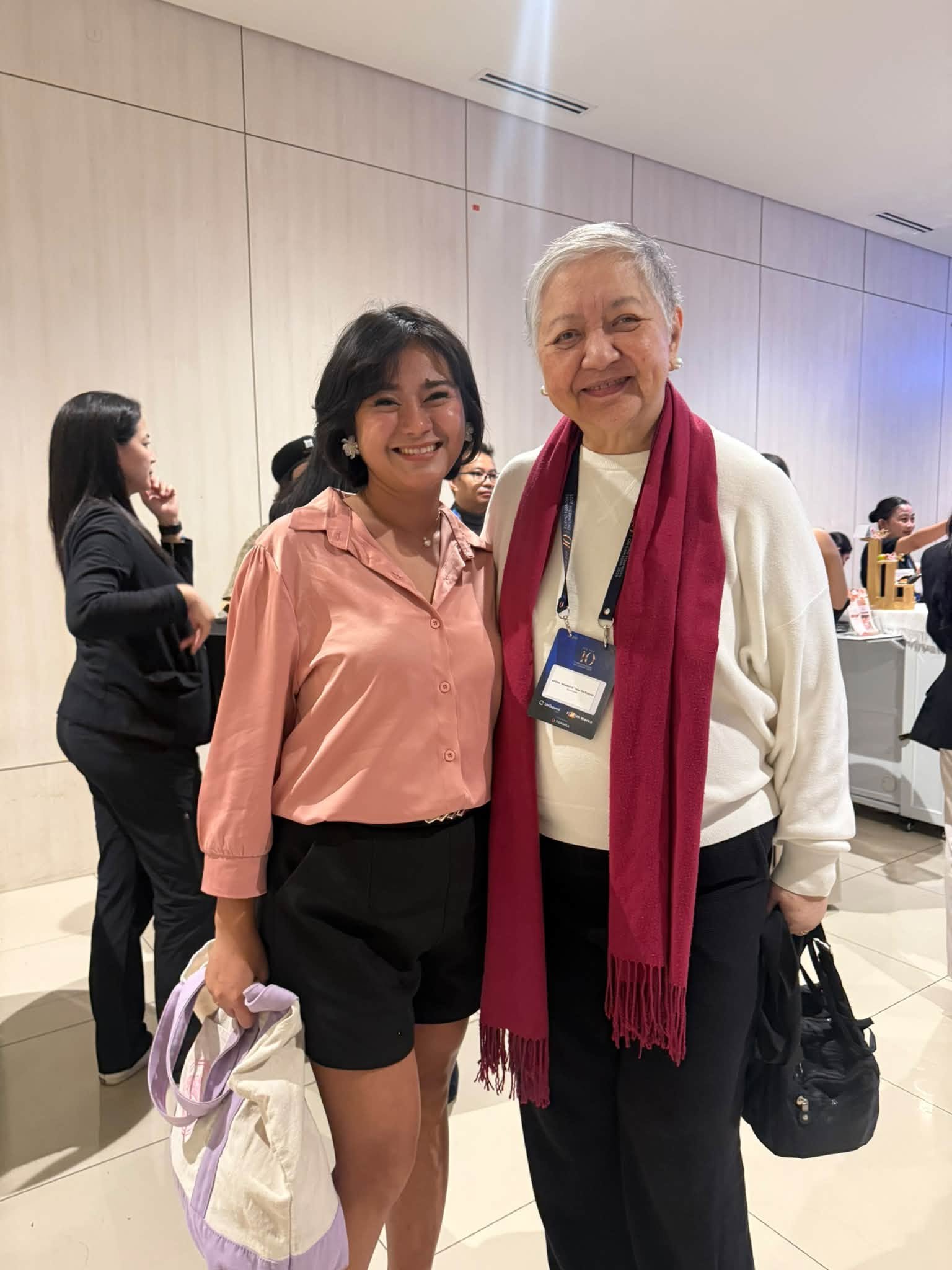
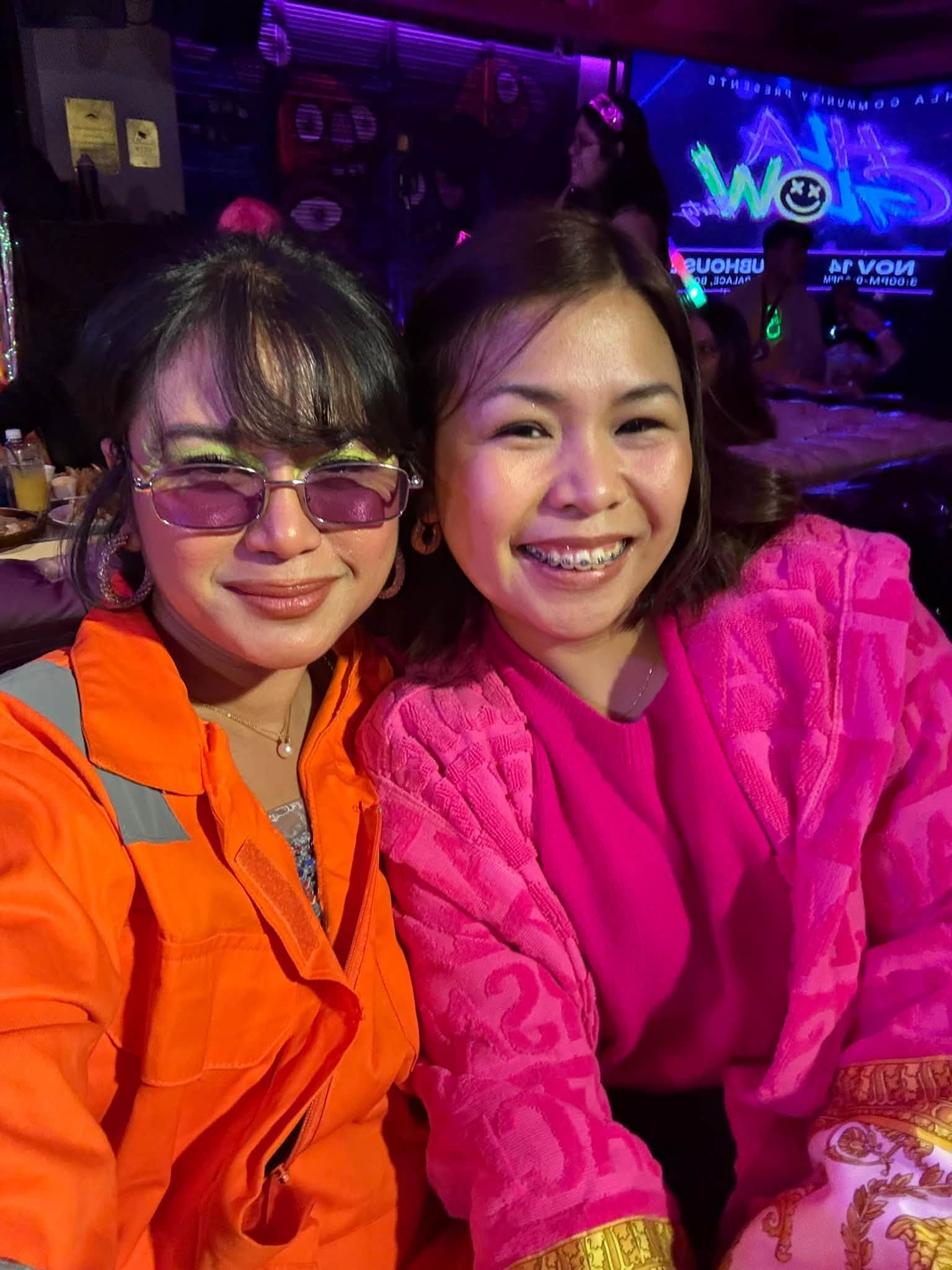
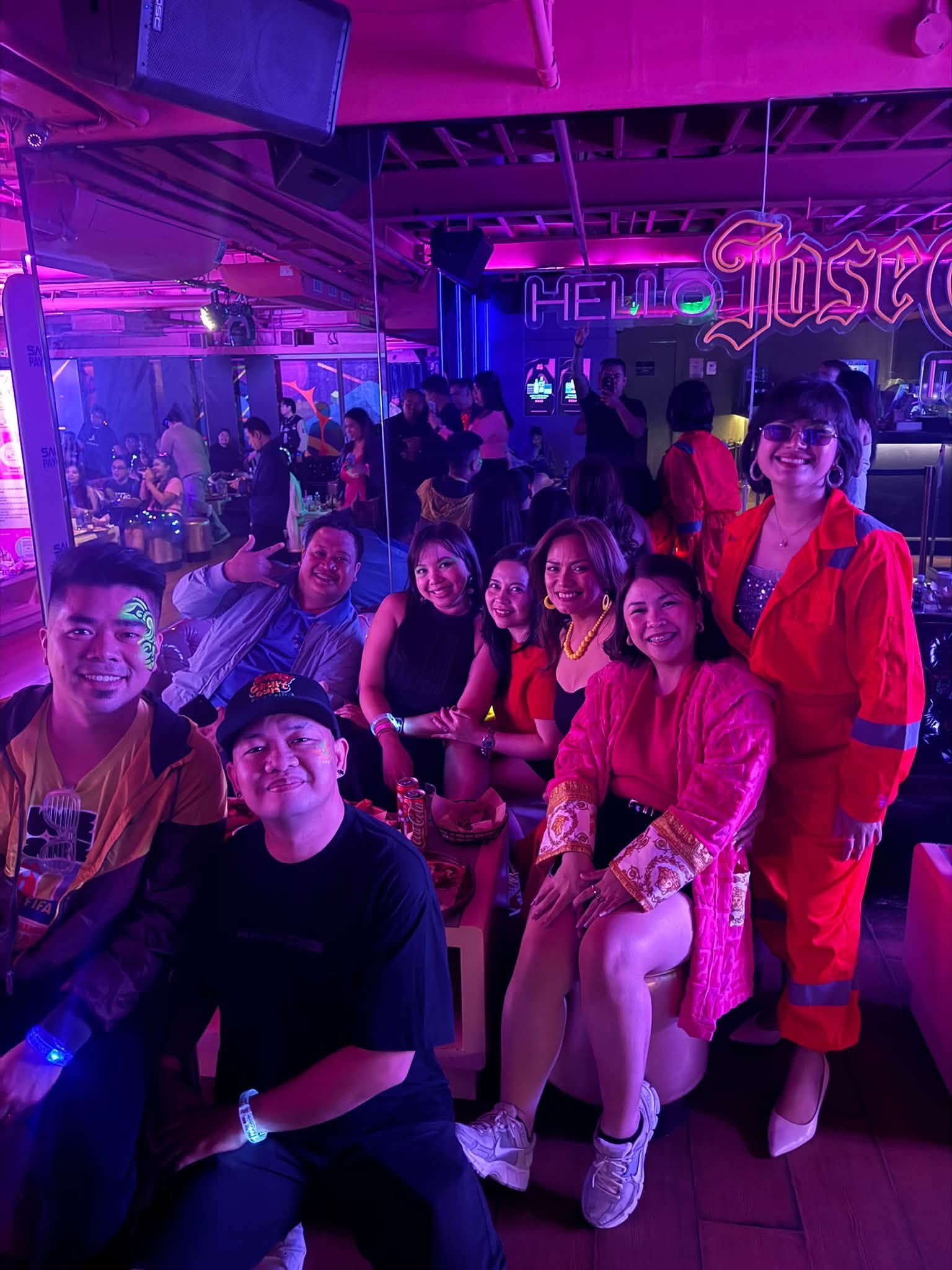
The first was the Top 40 Filipino Founders on LinkedIn event by FaithWorks. The second was an event hosted by High Level Accelerator (HLA), a community I’m part of, organized by my friend Cece Tan.
Both events brought together people I genuinely enjoy being around. I was happy to support my friends, reconnect with people in the industry, and spend time with fellow founders.
My friend Faith, who organized the Top 40 Filipino Founders on LinkedIn eventTop 40 Filipino Founders on LinkedIn by FaithWorksWith my friend Cece Tan at the HLA Glow PartyHLA Glow Party, hosted by the High Level Accelerator community
After the events, some of us decided to explore the city.
We were walking around, enjoying the evening, talking about business and life, and simply spending time together.
At one point, I even video-called my husband.
I showed him where we were, updated him about our plans, and told him we were going to grab something to eat.
Everything was perfectly normal.
Until it wasn’t.
The Moment I Realized My Phone Was Gone
About fifteen minutes after ending the video call with my husband, I reached into my bag because I wanted to show one of my friends something.
And then I realized something.
My phone wasn’t there.
I checked my bag again.
And again.
Nothing.
My iPhone 16 Pro Max was gone.
At first, I was in disbelief. Then the reality started sinking in.
It wasn’t just the phone.
I had my credit card and driver’s license in the phone case’s card pocket, too.
I immediately borrowed my friend’s phone and called my husband.
Thankfully, we were able to act quickly.
With the help of our finance team, we secured my bank accounts, locked my iCloud, and marked the phone as lost.
We did what we could to protect our information and accounts.
But emotionally, I was still processing what had happened.
That phone wasn’t cheap.
I had bought it brand new, and I remember thinking that I would use it for at least ten years. I wanted to get the most out of my investment.
And just like that, it was gone.
I was sad, frustrated, and honestly, a little lost.
Thankfully, my friends helped me get home by booking a Grab ride.
I was grateful for them because, at that moment, I realized how much I had come to depend on my phone.
No phone. No easy way to contact people. No camera to capture moments. No quick access to the things I usually do without even thinking.
And I remember thinking:
How am I supposed to function without my phone?
Little did I know that the next day would teach me something I wasn’t expecting.
The Day After: An Ordinary Drive That Felt Different
On Sunday morning, my family and I had breakfast together.
My husband drove, and we decided to take a little family trip just to enjoy some lomi.
I was sitting in the front passenger seat, and our three children were at the back.
It was a familiar road.
We had traveled that route many times before.
But something felt different that day.
I wasn’t holding my phone.
I wasn’t checking notifications.
I wasn’t scrolling through anything.
I wasn’t looking at a screen.
I was simply sitting there.
Looking outside.
And suddenly, I noticed how beautiful the surroundings were.
The roads. The trees. The scenery. The places we passed.
I thought to myself:
Wait. This road has always been this beautiful. Why am I only noticing it this way now?
I was physically there, but so much of my attention was somewhere else.
And that thought stayed with me throughout the drive.
We had just bought a brand-new car earlier that year. It was something we had worked for, something I had once looked forward to owning.
Yet there I was, sitting inside it, enjoying the ride in a way I hadn’t fully appreciated before.
Nothing extraordinary was happening.
We weren’t traveling somewhere special.
We weren’t on vacation.
We were simply driving as a family to eat lomi.
But for the first time in a while, I felt like I was actually experiencing the moment instead of documenting it, checking something, or thinking about what was happening online.
And I loved it.
After that, we came home.
We got ready, then went to Nuvali, Santa Rosa, to look for a phone at the nearby malls.
The iPhone Duo wasn’t available.
I called my friend Faith, who had bought her own phone in Greenhills before and helped us find iPhone Duo stock.
She told us to go to Greenhills.
We went home, then asked Ghay, a family member, and her husband to come with us to Greenhills. We all rode together in our car.
That’s where we bought the phone.
My youngest daughter came with us, and I was the one taking care of her.
I Started Paying Attention to My Children
Another thing I noticed was how much more attentive I became to my youngest.
Without my phone in my hand, I found myself naturally giving more attention to what she was doing, listening more, talking to her, and being involved in those little moments.
You know those ordinary interactions that happen every day?
A question. A little conversation. A funny moment. Something your child wants to show you.
Those things were happening whether I had my phone or not.
And I realized something.
Our children don’t necessarily need us to create extraordinary experiences for them every single day.
Sometimes, they just need us to be available.
To listen. To look at them when they’re talking. To give them our attention. To enjoy the ordinary moments together.
I know I’m not a perfect parent.
I have responsibilities, businesses, meetings, people to manage, and so many things happening in my life.
But that Sunday reminded me that being busy should never mean being absent from the moments that matter.
I Asked God: What Are You Trying to Teach Me?
As the day went on, I found myself reflecting on what had happened.
And I started asking God:
What are You trying to teach me through this experience?
Maybe it’s about being more attentive.
Maybe it’s about slowing down.
Maybe it’s about looking around and appreciating what I already have.
Or maybe it’s simply a reminder that I don’t always need to be connected to everything happening in the digital world to appreciate the life I’m actually living.
I don’t want to pretend that losing an expensive phone was a blessing in itself.
It was frustrating.
It was inconvenient.
And I certainly don’t recommend losing your phone just to experience a digital detox!
But sometimes, even an unpleasant experience can lead you to a realization you might not have reached otherwise.
And this was mine.
Perhaps I had become so focused on capturing my life that I wasn’t always fully experiencing it.
Think about that.
We take pictures of beautiful places.
We record our children’s milestones.
We document family outings.
We post our achievements.
We check messages.
We monitor our businesses.
We stay connected to people across the world.
And there’s nothing inherently wrong with any of that.
I love technology.
My businesses depend on technology.
My work requires me to communicate with people, manage operations, and stay connected.
I understand its value more than most people.
We Spend So Much Time Chasing the Next Goal That We Forget How Far We’ve Come
There’s another realization I had during that drive.
As entrepreneurs, we’re always chasing something.
The next milestone. The next client. The next business opportunity. The next revenue target. The next investment. The next big dream.
And I’m guilty of that, too.
I have so many things I want to accomplish.
I think about the future constantly.
What else can I build? Where else can I go? What else can I achieve? How can I make things better for my family? How can I grow my businesses?
And sometimes, in the middle of all that chasing, we forget to look around.
We forget to appreciate how far we’ve already come.
That car I was sitting in?
We worked for it.
That family sitting around me?
That’s one of the greatest blessings of my life.
The freedom to spend a Sunday with my husband and children?
That’s something I once hoped and worked for.
The ability to go out, enjoy a meal, and spend time together?
That’s already something worth appreciating.
But when you’re constantly focused on the next goal, even the things you’ve already achieved can start feeling ordinary.
And I don’t want to live that way.
I don’t want to spend so much time building a life that I forget to actually enjoy the life I’m building.
The Phone Situation Was Eventually Sorted Out. But Something Else Stayed With Me.
We figured out the phone situation there.
My husband decided to get a new phone, and I chose to use his previous iPhone 16 Pro Max.
I wasn’t particularly interested in getting the newer model I had initially considered, so this arrangement worked for us.
The practical problem was sorted out.
My accounts were secured.
We had a replacement phone.
Things were slowly getting back to normal.
But something from that experience stayed with me.
During those first few hours without a phone, I felt like I couldn’t do anything.
I thought I was lost because I had lost my phone.
But after experiencing that Sunday with my family, I started thinking about something else.
I had always thought I needed my phone to stay connected.
But that weekend reminded me that there are things I can only experience when I put it down.
I noticed the scenery.
I enjoyed the morning drive.
I paid attention to my daughter.
I appreciated our family time.
And somehow, those memories felt just as valuable, if not more valuable, than the pictures I could have taken.
I Don’t Want to Disconnect From Technology. I Want to Reconnect With Life.
Let’s be realistic.
I run businesses.
I lead a team.
I communicate with clients.
I work with people in different countries.
My phone is an important tool in my daily life.
I cannot simply throw it away and pretend I don’t need it.
And I don’t think that’s the lesson here.
The lesson isn’t that phones are bad.
The lesson is that we need to be more intentional about how we use them.
I want to be able to put my phone down without feeling like I’m missing something.
I want to be able to sit quietly, look outside, and enjoy the moment.
And when I need my phone for work, communication, or something important, I want to use it intentionally.
Not automatically.
There’s a difference between using technology because you need it and reaching for it simply because it’s always there.
I think I’ve become a little too comfortable with the latter.
And that’s something I want to change.
Maybe I Didn’t Need Another Phone. Maybe I Needed a Reminder.
It’s funny how life works sometimes.
I went out last Saturday to support my friends.
I attended two events.
I enjoyed conversations with fellow founders.
I explored the city.
And I ended the evening losing something expensive and important.
I thought the biggest problem was that I had lost my phone.
But the following day, I realized that the experience had made me notice something much bigger.
I don’t know if I’ll completely change my habits overnight.
I’m sure I’ll still use my phone a lot.
I’ll still take pictures. I’ll still post on social media. I’ll still manage my businesses.
But I want to be more mindful.
I want to look up more often.
I want to notice the little things.
I want to appreciate the people sitting right beside me.
And most importantly, I want to remember that life isn’t only happening on the screen.
It’s happening right here.
In the conversations. In the family drives. In the ordinary Sundays. In the laughter of my children. In the blessings we sometimes overlook because we’re too busy chasing the next one.
So, yes, I lost my phone.
And I’m still not happy about that part. HAHAHA!
But I gained a different perspective.
And maybe that’s something worth keeping.
I don’t want to be so busy capturing my life that I forget to live it.
When was the last time you put your phone down and truly enjoyed the moment you were in?
On November 23, 2026, Create & Reach will turn six.
As that anniversary approaches, I’ve been looking at what we’ve built: the businesses we’ve supported, the opportunities we’ve created for Filipino virtual assistants, and the lessons we’ve learned along the way.
I’m proud of that work. But I’ve also been asking myself a difficult question:
Have we always solved the overwhelm our clients came to us with—or, in some cases, have we simply handed it to someone else?
This isn’t me questioning whether we’ve helped business owners. It’s me questioning whether the way we help is sustainable for everyone involved.
When Delegation Doesn’t Solve the Problem
Our traditional model has been straightforward: one virtual assistant assigned to one client.
That VA can become the go-to person for customer calls, scheduling, sales follow-ups, recruitment, social media, systems, and daily administrative work.
We believed an affordable, all-in-one service would make support more accessible to small business owners. That intention hasn’t changed. What I’m learning is that affordability must come with realistic workloads, clear priorities, and the right expertise—not simply more responsibilities for one person.
For a busy owner, having someone take those responsibilities off their plate can be a huge relief.
But the work doesn’t disappear.
In some cases, we transferred the responsibilities without doing enough to rethink how they should be organized. The owner was no longer juggling everything, but the VA was.
That realization is uncomfortable because I understand why business owners come to us. They need support, not another complicated thing to manage.
But I also understand that a hardworking VA can only stretch so far.
Answering a customer complaint, following up with a lead, interviewing an applicant, and creating content require different skills and different kinds of attention. Being capable of doing each task doesn’t automatically mean someone has the capacity to do them all well, together, every day.
Looking Beyond Individual Performance
When someone struggles, it’s easy to start with questions about their skills, training, or performance.
Those questions matter. But they shouldn’t be the only ones.
Was the role clearly defined? Were the priorities realistic? Did the person have enough time and support? Were we expecting one generalist to deliver the work of several specialists?
As the founder, I need to ask those questions about the service we designed—not just the person delivering it.
We provide training and support, but those cannot fully compensate for a role that keeps expanding without clear boundaries.
That doesn’t mean the one-VA-one-client model is wrong. It can work very well when responsibilities complement one another, the workload is manageable, and expectations are clear.
The problem is treating that arrangement as the answer to every operational need.
This isn’t about blaming clients for needing help or VAs for having limits. It’s about recognizing our responsibility to shape an arrangement that makes sense for both.
The Direction I Want to Explore
I want Create & Reach to become more intentional about how we design support.
Instead of starting only with a list of tasks to delegate, I want us to look more closely at what is happening inside the business.
Where is work getting stuck? Which responsibilities belong together? What needs dedicated attention? What can one person reasonably manage?
Sometimes, a well-defined generalist role may still be the right fit.
Other situations may call for specialized support or a coordinated team, rather than adding more responsibilities to one person’s plate. That could mean combining dedicated assistance with shared specialist support where it makes sense.
The goal isn’t to make the service more complicated. It’s to make responsibilities clearer, workloads more realistic, and coordination less dependent on one person remembering everything.
This is a direction I’m exploring, not a finished model I’m announcing. We still need to listen, evaluate, and test carefully before making changes. I want to understand what genuinely improves the experience for our clients and our team—not simply replace one arrangement with another.
What I’m Taking Into Our Seventh Year
Part of me wishes I had understood this sooner.
But I don’t want that feeling to become the end of the reflection. I want it to change how I lead.
I still believe Filipino professionals bring extraordinary value to businesses. I still believe business owners deserve room to grow their companies and enjoy their lives.
What’s changing is my understanding of what it takes to support both.
Good intentions do not automatically create good systems.
As we approach our sixth anniversary and prepare to enter our seventh year, I want to take greater responsibility for the conditions in which our people and clients work together.
When I started Create & Reach, I wanted to help business owners.
I still do.
Now, I’m learning that helping them better may require changing how we do the work—not simply who we assign it to.
One reschedule text and your whole week shifts, usually at 10 PM.
If your cleaning schedule only works because you remember everything, it’s not a system yet. It’s you.
I say this with love, because I’ve seen how many good cleaning business owners run their days this way. Who is going where, which client moved, which cleaner needs the key, what time the next job starts. It all lives in one head, and that head is yours.
The problem with a schedule that lives in your head
It works, until it doesn’t. A cleaner texts that they can’t make it. A client asks to move Thursday to Friday. You’re in the middle of a job and the message sits unanswered, and every hour it sits, something else can go wrong.
The real cost is that nobody else can step in, because nobody else knows the plan. That keeps you stuck as the scheduler, which is a very expensive job for a business owner.
What a real scheduling system looks like
Someone owns the schedule every day. They confirm tomorrow’s jobs and flag gaps early, before they turn into problems.
Cleaners get their assignments and notes before the day starts. No guessing, no last-minute calls.
Clients get clear, friendly reminders. Fewer surprises, and fewer reschedules at the last minute.
An AI employee handles reminders in the background. The routine work runs by itself, and people handle the judgment calls.
People for judgment, AI for the routine
This is how I think about being an AI-empowered founder. I don’t want AI making the calls that need care, like moving a client’s job or deciding who covers a call-out. I want it taking the repetitive work off people’s hands so they can focus on the judgment.
At Create & Reach, that means your dedicated VA, supported by a team leader, trainers, QA and backup, owns the schedule day to day. The AI employee quietly handles the reminders. You stop being the only person who knows the plan.
A simple place to begin
You don’t have to change everything at once. Start with the schedule. Get it out of your head and into one shared place, decide who confirms tomorrow’s jobs each afternoon, and let the rest grow from there.
So, where does your schedule live right now: in a system, or in your head?
If you’d like to start with the schedule and build from there, you can book a call with me.
Most cleaning business owners don’t have a hiring problem. They have a hiring follow-up problem.
The good applicant didn’t say no. You just called back too late.
I’ve seen this happen in so many cleaning businesses. The owner posts a job ad, applications come in, and then the week gets busy. There are jobs to run, clients to answer and a schedule to hold together. By the time someone finally replies to the applicant, they’ve already said yes to somebody else.
So the problem usually isn’t finding people. It’s the follow-up.
Why hiring follow-up slips in a cleaning business
When you’re the owner, hiring competes with everything else on your plate. Replying to an applicant never feels as urgent as a client who is waiting on you, so it gets pushed to tonight, then to the weekend.
Then a cleaner calls out, and suddenly hiring is an emergency. You need someone now, and the good candidates from last week are gone.
What good hiring follow-up looks like
You don’t need anything complicated. You need a few simple things done the same way, every time:
A fast, friendly reply to every applicant. Even a short message tells a good candidate that you’re serious.
The same short screening questions for everyone. You compare people fairly, and you stop starting from scratch with each one.
Set interview time slots. Interviews go into blocks you chose, instead of taking over your week.
A backup list of good candidates. When someone calls out, you already know who to call first.
Who owns it?
This is the part most owners skip. A follow-up process only works when someone owns it every day, and that person usually can’t be you while you’re out running the business.
That’s why at Create & Reach I set up support as a team, not a lone assistant. Your dedicated virtual assistant is backed by a team leader, trainers, QA and backup, so replies keep going out even when someone is out of the office. As an AI-empowered founder, I also like using an AI employee in the background to help with reminders and drafts, while people handle the conversations.
Where to start
If hiring follow-up is slipping in your business, start small. Write your screening questions down, pick two interview windows a week, and start a simple backup list. Then decide who replies to applicants within the same day.
One honest question for you: who handles hiring in your business right now? If the answer is “me, when I have time,” that’s your first thing to hand off.
If you’d like help building a hiring follow-up that doesn’t live on your to-do list, you can book a call with me.
Behind every unanswered call is a possibility. And sometimes, that possibility is much bigger than we realize.
I want to talk about something that might seem very simple to some people.
A missed call.
Yes, just one missed call.
For some virtual assistants, receptionists, or customer service representatives, a missed call might feel like a small mistake.
It’s fine, I’ll call back later.
I’ll make up for it tomorrow.
It’s just one call anyway.
And I understand that perspective.
Sometimes you’re busy handling another customer. Sometimes several calls come in at once. Sometimes there are technical issues. Sometimes unexpected things happen.
I know we cannot prevent every missed call.
But I want to share something I wish every person handling customer inquiries could understand.
To you, it might look like just another missed call. But to the business owner, that call could mean so much more.
And I’m not talking only about sales.
I’m talking about the people whose livelihoods depend on those sales.
Let me explain.
I’ve Been the Business Owner. But I’ve Also Been the Cleaner.
And here’s something I don’t think everyone knows about me.
I actually cleaned houses myself.
Yes, me. HAHAHA!
I wasn’t just sitting in front of a laptop managing bookings and monitoring operations.
There was a time when I was physically doing cleaning jobs.
I experienced what it was like to show up at a property, do the work, and earn money from completing that cleaning service.
And that experience changed my perspective.
Because when you’re the person doing the cleaning, the booking isn’t just another entry on the calendar.
It’s work.
It’s income.
It’s money you can use to buy groceries, pay bills, and support your family.
I know what it feels like when the income from cleaning matters.
And I know that for many cleaners, every confirmed job can make a real difference in their household.
That’s why, whenever I think about missed calls, I don’t just think about how much revenue the business might have lost.
I think about the cleaner who could have been assigned to that job.
The person who could have earned money that day.
The family who might have benefited from that additional income.
And the opportunity to create more consistent work for our people.
Behind every cleaning job, there is a person. And behind that person, there may be an entire family depending on them.
A Missed Call Has a Cost You Don’t Always See
Let’s say a potential customer calls your cleaning company.
They’re looking for someone to clean their home.
Or maybe they’re a property manager looking for a reliable company to handle several properties.
Or perhaps they’re a business owner who needs regular commercial cleaning services.
You don’t answer.
The customer waits.
And then they call another company.
That company answers.
They schedule an appointment.
They send a proposal.
And eventually, they get the job.
Meanwhile, you might never even know what opportunity you missed.
And that’s what makes it scary.
Because not every missed call is just a one-time cleaning worth a few hundred dollars.
Sometimes, that caller could become a recurring customer.
Sometimes, they could refer you to other people.
Sometimes, they could be a property manager responsible for multiple properties.
Sometimes, it could be a commercial client looking for a long-term cleaning partner.
And sometimes, it could be the customer who helps your business reach its next stage of growth.
You don’t know the value of an opportunity until you discover what was on the other end of that call.
That’s why I don’t believe we should treat missed calls casually.
Not because every call will become a sale.
But because every genuine inquiry deserves a chance to be answered.
Business Owners Carry More Than Their Own Dreams
Here’s something I want employees, especially VAs supporting business owners, to understand.
When someone starts a business, yes, of course, they want to earn money.
They want to improve their lives.
They have dreams.
They want to provide for their families.
But as the business grows, something changes.
It’s no longer just about the owner.
You now have employees.
You have cleaners.
You have virtual assistants.
You have managers.
You have people who are expecting their salaries.
And those people have their own responsibilities, too.
They have children.
Parents.
Rent.
Groceries.
School tuition.
Bills.
Dreams.
As a business owner, you begin to realize that the decisions you make affect far more people than yourself.
I’ve experienced that.
And that’s why I take business opportunities seriously.
Because when we lose a genuine opportunity, we don’t just lose potential revenue.
We may also lose the chance to provide more work, more income, and more stability for the people who depend on the business.
Of course, one missed call doesn’t automatically mean someone will lose their job.
That’s not what I’m saying.
But missed opportunities add up.
And when you’re responsible for supporting a team, you learn to see the bigger picture.
A healthy business creates opportunities not only for the owner, but also for the people helping build it.
What I Want My Virtual Assistants to Understand
I want to speak directly to the VAs reading this.
And especially to those supporting cleaning business owners.
Please understand that answering calls, following up with leads, and managing inquiries are not just administrative tasks.
You’re helping protect opportunities.
When you answer a customer’s inquiry professionally, you might be helping the business secure another booking.
When you follow up with someone who requested a quote, you might be helping turn an inquiry into a long-term relationship.
When you recover a missed call, you might be giving that customer a reason to choose your company instead of a competitor.
And when those opportunities become actual cleaning jobs, more people may benefit.
I don’t want you to think of your work as simply answering phones for eight hours.
I want you to understand the impact of what you do.
You are part of the business.
You are part of its growth.
And your work matters.
But let me be clear.
I’m not saying you should feel guilty every time a call is missed.
That’s unrealistic.
You’re human.
Things happen.
You might already be assisting another customer.
You might experience system issues.
Or several inquiries might come in simultaneously.
What matters is what happens next.
When a call is missed, don’t just record it. Take ownership of the next action.
Call back as soon as reasonably possible.
Find out what the customer needs.
Follow up if you can’t reach them.
Document the conversation.
And make sure the opportunity isn’t forgotten.
Because sometimes, the difference between losing a customer and winning a customer is simply how quickly and professionally you respond.
When I Was Cleaning in New Zealand, I Had My Own VA
Now, here’s something I find interesting about my own experience.
When we were operating our cleaning business in New Zealand, there were times when I was physically busy cleaning houses.
Imagine that.
I’m inside a customer’s property, doing the actual work.
My hands are busy.
I’m focused on delivering the service.
And of course, I can’t just stop what I’m doing every time the business phone rings.
But what if a potential customer calls while I’m cleaning?
What if someone wants a quote?
What if someone wants to schedule a commercial cleaning?
What if a property manager needs to speak with us?
That’s exactly why I had a virtual assistant supporting our business.
Through Create & Reach, I assigned VA support to our own cleaning operations.
While I was physically delivering the service, someone else was handling inquiries, coordinating bookings, following up with leads, and helping make sure opportunities were not overlooked.
And I remember appreciating that setup.
Because it allowed me to focus on the work in front of me without constantly worrying about what might be happening on the other end of the phone.
I could focus on delivering the service because someone was helping me protect the opportunities that kept the business moving.
That experience reinforced what I already believed about delegation.
A good virtual assistant isn’t simply someone who takes tasks away from you.
A good VA creates capacity for you to focus on responsibilities that require your attention.
And that becomes even more important as your business grows.
Today, I’m Doing the Same Thing in the Philippines. But in a Different Way.
Instead of spending most of my time personally handling every inquiry, making every follow-up call, and coordinating every potential customer, I’m spending more time creating opportunities.
Networking.
Meeting other business owners.
Attending events.
Building relationships.
Introducing our services.
And yes, sometimes making myself beautiful before going to networking events.
Got to look cute first! HAHAHA! 😂
But seriously, I enjoy building connections.
I enjoy meeting people.
I enjoy understanding what other businesses need.
And I believe that relationships are one of the most important parts of business development.
Here’s what’s interesting.
When I attend events and meet business owners, I often discover opportunities that wouldn’t necessarily come from traditional advertising.
Someone needs commercial cleaning.
Someone manages a property.
Someone knows a business owner looking for a reliable cleaning provider.
Someone is unhappy with their existing cleaning company.
And suddenly, there’s a potential client.
So what do I do?
I build the relationship.
I understand the opportunity.
And when there’s a genuine interest, I pass the contact and relevant details to my virtual assistant.
Then my VA takes over the next steps.
Making the call.
Following up.
Discussing the service.
Coordinating the quote.
Helping move the opportunity toward a confirmed booking.
And when necessary, my team can offer an approved discount or special arrangement.
Sometimes, I even tell them that if the person is someone I personally know, they can mention our connection and extend an authorized offer.
Something like:
“Since you’ve already connected with Vanhessa, we’d be happy to extend this special offer to you.”
Of course, we still need to make sure the pricing makes sense for the business.
We don’t give discounts just to win a customer at any cost.
But having that flexibility can sometimes help us close a deal while making the customer feel valued.
And this is what I love about our current setup.
I focus on opening doors. My team makes sure we follow through on the opportunities behind those doors.
I’ve come to realize something about business development.
Meeting people is important.
Building connections is important.
But relationships alone don’t automatically turn into revenue.
You still need execution.
Imagine attending a networking event and meeting ten potential customers.
You exchange contact information.
You introduce your services.
Everyone seems interested.
You go home feeling excited.
But then the next day, you’re busy.
You have meetings.
You have employees to manage.
You have reports to review.
You have other business responsibilities.
And suddenly, a week passes.
You haven’t followed up with anyone.
What happened to those opportunities?
Some may still be available.
Others may have already chosen another provider.
This is why I believe networking and follow-up should work together.
As a business owner, I can spend my time creating relationships and identifying opportunities.
But having a dependable person responsible for the next steps helps make those relationships productive.
And that’s where my VA becomes incredibly valuable.
Because the real value isn’t simply that someone else makes the calls.
It’s that opportunities are being managed even while I’m busy creating new ones.
That’s how delegation can support growth.
It allows the owner to spend more time on high-value activities without abandoning the operational details that make those activities worthwhile.
One Missed Call Could Be the Opportunity That Changes Everything
I’ve been thinking about this a lot.
We never really know which customer will become important to our business.
Sometimes, the smallest inquiry becomes a long-term client.
Sometimes, an ordinary conversation leads to a referral.
Sometimes, a single commercial contract creates enough demand to hire more cleaners.
And sometimes, one relationship opens the door to several other opportunities.
That’s why I don’t want us to underestimate the importance of responsiveness.
I’m not saying every call will change your life.
Most won’t.
Some are just inquiries.
Some people are comparing prices.
Some won’t be ready to book.
And that’s normal.
But what if the next call is different?
What if that’s the customer who eventually becomes your biggest account?
What if that’s the contract that allows you to hire three more cleaners?
What if that’s the opportunity that helps your company grow into another city?
You don’t know.
And that’s exactly the point.
The next opportunity that changes your business might arrive as an ordinary phone call.
Wouldn’t it be a shame if nobody bothered to follow up?
Business Owners, Please Don’t Try to Do Everything Yourself
Now let me speak to the cleaning business owners.
I understand why you try to handle everything yourself.
Especially when you’re just starting.
You want to save money.
You want to control your expenses.
You want to make sure everything is done properly.
And sometimes, you feel like hiring another person is just an additional cost.
I’ve been there.
But I want you to look at the bigger picture.
What is the cost of your time?
What opportunities are you missing because you’re busy handling every small task?
How many potential customers are waiting for a response while you’re doing something else?
Could you be meeting property managers, developing partnerships, improving service quality, or building relationships instead?
I’m not saying that every cleaning business owner needs a full-time VA immediately.
Some businesses are not yet at that stage.
Others may need only part-time support, a shared receptionist, better call routing, or a structured callback process.
What matters is that you have a reliable system.
Someone or something needs to make sure genuine customer inquiries are captured, prioritized, and followed up.
Because hiring a VA is not automatically the solution to every operational problem.
But when your business is ready, having the right person handling your inquiries, scheduling, follow-ups, and customer communication can create meaningful capacity.
And I can say that not just as the founder of Create & Reach.
I can say that as someone who has actually owned a cleaning business, cleaned houses, and relied on VA support myself.
I know what it’s like to be busy delivering the service.
And I know how valuable it is to have someone making sure the business continues moving while you’re focused elsewhere.
A Message to My Fellow Business Owners and VAs
I want us to remember that businesses are built by people.
Not just systems.
Not just software.
Not just advertisements.
People.
The business owner who’s trying to create opportunities.
The VA who’s answering calls and following up with customers.
The cleaner who’s working hard to deliver quality service.
The manager who’s making sure the operation runs smoothly.
And the families who depend on the income these businesses generate.
Every role matters.
That’s why I encourage VAs to understand the business behind the tasks they perform.
And I encourage business owners to invest in training their teams, explaining why the work matters, and creating systems that make it easier for employees to succeed.
Don’t just tell your VA:
“Make sure you answer the calls.”
Help them understand why.
Help them see the connection between customer inquiries, booked jobs, revenue, cleaner utilization, and business growth.
Give them the tools, the training, and the authority they need to follow through.
Because when people understand the impact of their work, they can make better decisions.
And when business owners give their people the right support, accountability becomes a shared commitment instead of just another rule.
The Bigger Picture
At the end of the day, this is how I see it.
A missed call is not automatically a disaster.
But a missed opportunity that nobody bothers to recover?
That is something we should take seriously.
Because behind that opportunity could be a customer looking for help.
A cleaner waiting for another job.
An employee depending on a healthy, growing company.
A family hoping for more financial stability.
Or a business owner trying to build something meaningful.
I’ve seen this industry from different perspectives.
As a VA agency owner.
As a cleaning business owner.
And as someone who has actually cleaned houses.
And all those experiences taught me to value opportunities differently.
Today, I love that I can spend more time building relationships, networking, and growing Sunshine Cleaning Services Philippines while my team helps handle the operational follow-through.
It gives me the capacity to do what I do best, while making sure the opportunities we create receive the attention they deserve.
And that’s something I hope more business owners will learn to build.
Not just a business that generates inquiries.
But a business that knows how to take care of them.
Because sometimes, what looks like just another missed call could have been the beginning of something life-changing.
And even if we miss the first ring, we don’t have to miss the opportunity to respond.
Sometimes, one conversation makes you realize that something you’ve loved doing your entire life might also become one of your greatest business opportunities.
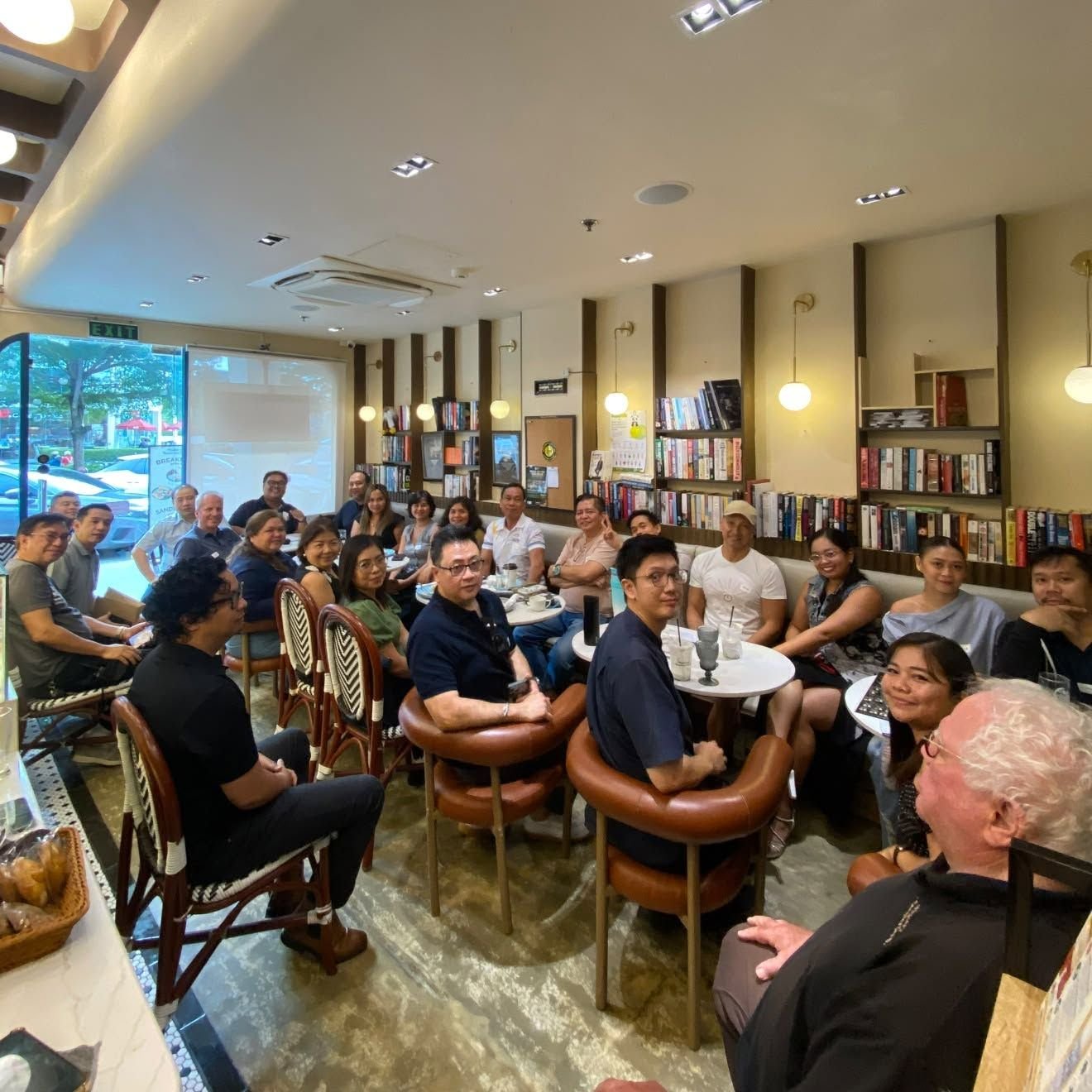
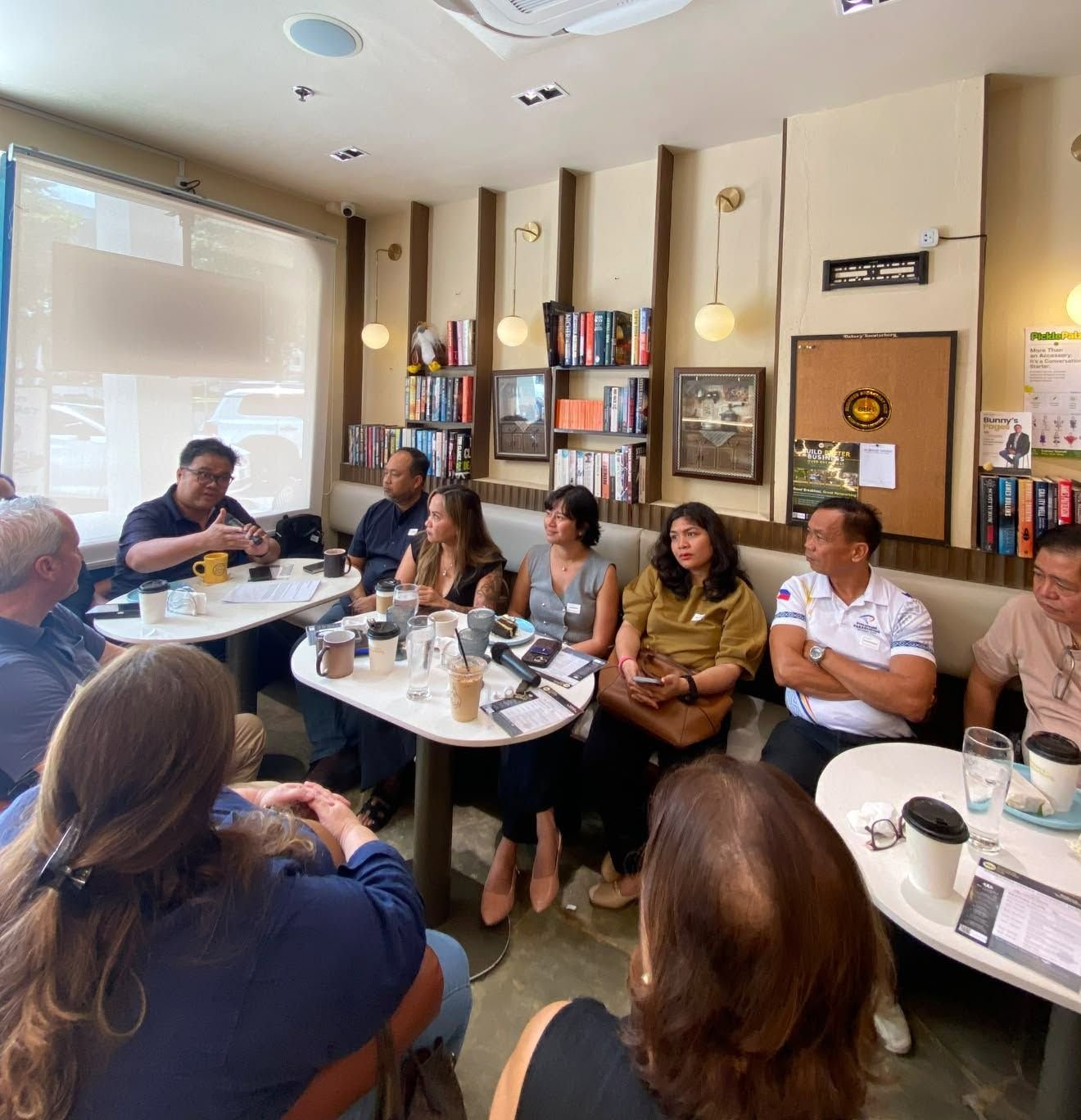
A Business Breakfast Hub meeting at Bakery Soesterberg, Cebu
I’ve been running Create & Reach Virtual Assistance Services for almost six years now. We’ve worked with business owners from different countries, supported their operations, built teams, and helped them grow their businesses. Throughout those years, I relied heavily on Facebook, referrals, personal relationships, and conversations to grow my network. It worked. We got clients. We built relationships. We grew the company.
And I’ve always loved Facebook for another reason: I love writing. I write about business, leadership, family, mistakes, lessons, and sometimes just random thoughts I want to share. And when I start writing, sometimes I can’t stop. If you’ve been following my personal Facebook account, you probably already know that. HAHAHA!
But one conversation with an entrepreneur I met in Cebu made me realize something. Maybe I needed another home for all these stories. And maybe that home could also help me grow professionally and create new business opportunities.
The Conversation That Started Everything
During one of my Business Breakfast Hub (BBH) meetings in Cebu, I met an American entrepreneur named Joe. He is based in San Francisco, where he runs businesses in marketing and software development, and he has a team in the Philippines, which is why he regularly visits Cebu, approximately four times a year.
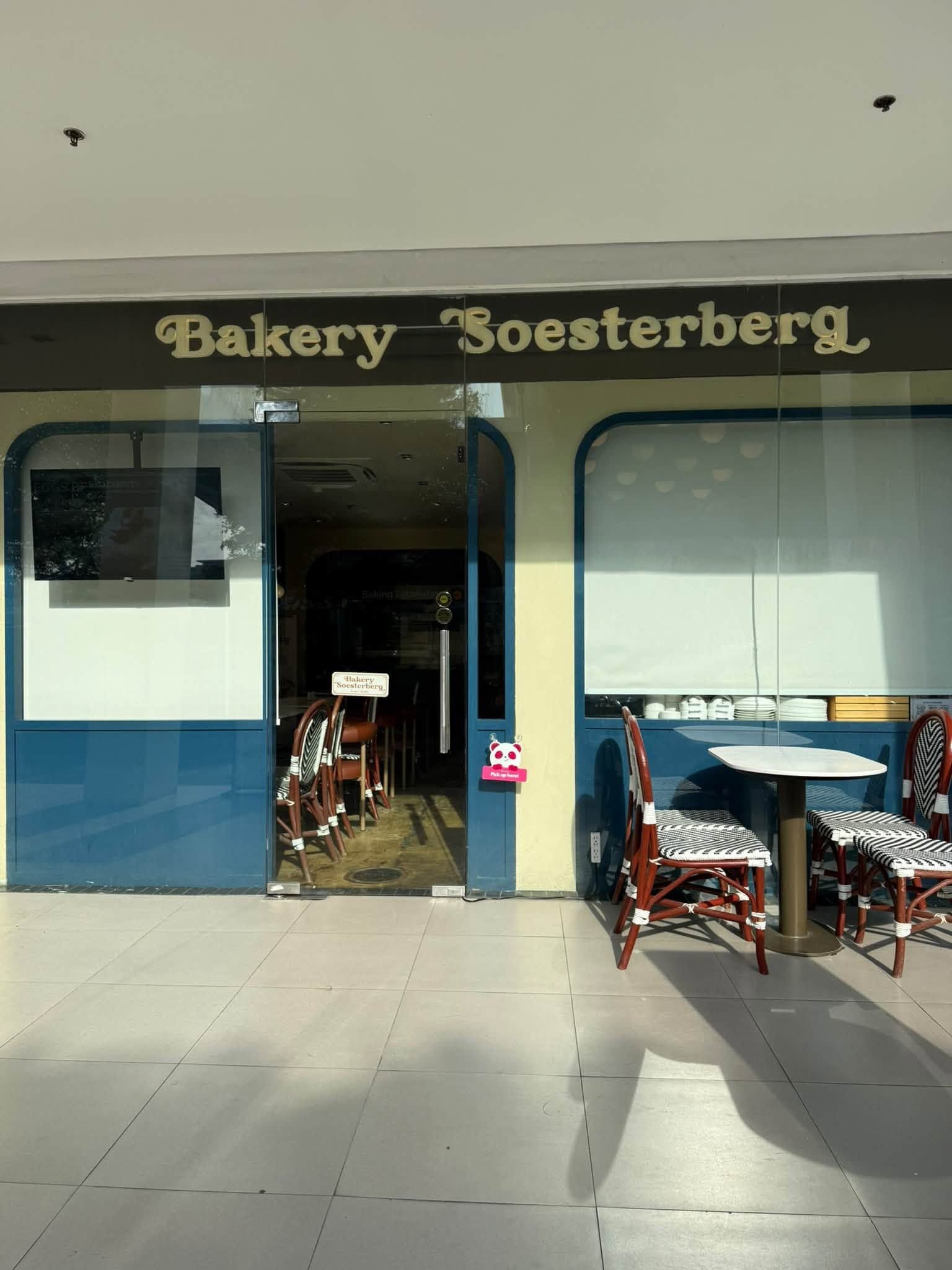
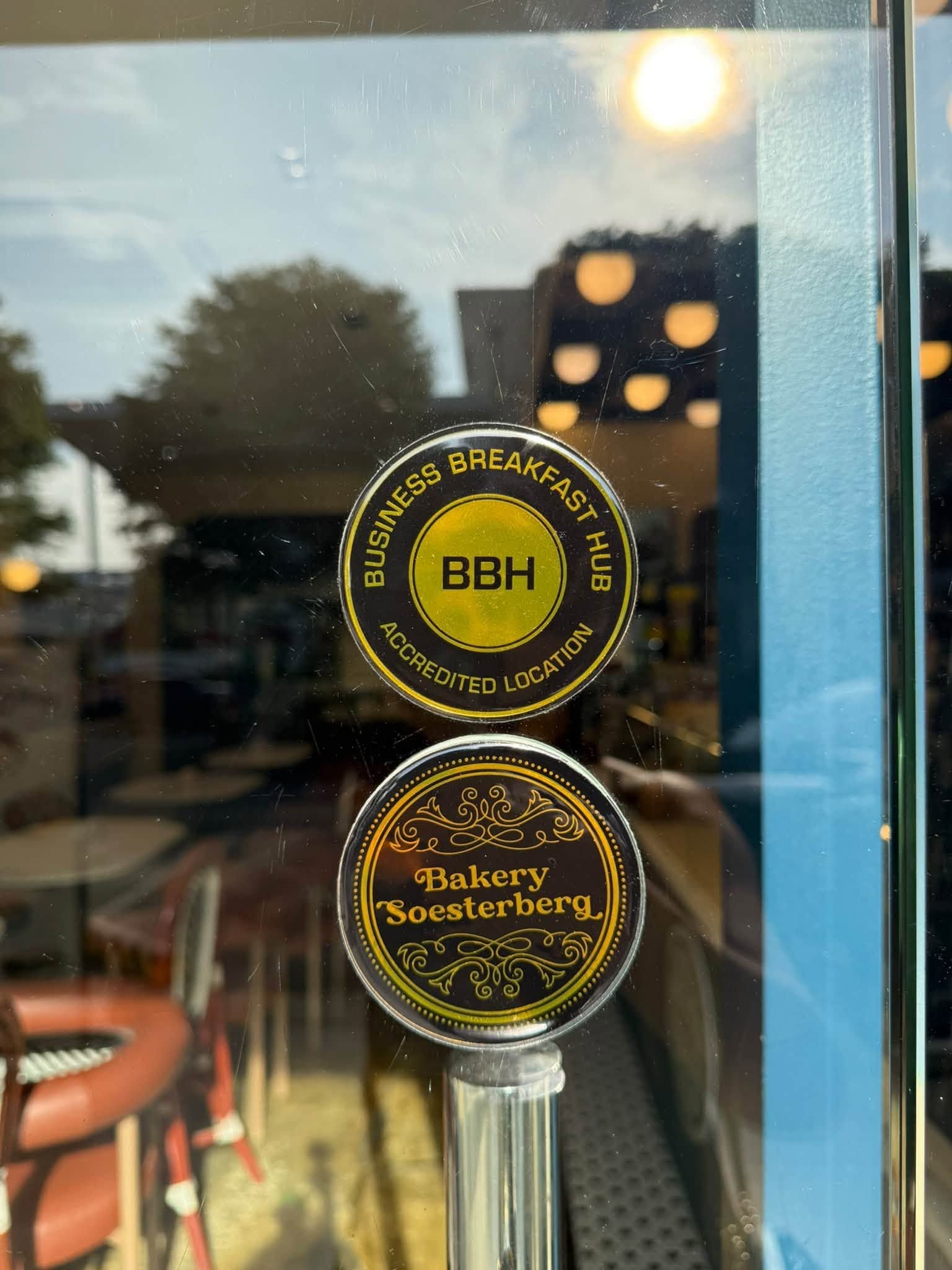
Bakery Soesterberg, where the meeting was heldThe BBH Accredited Location sticker on the door
And of course, you know me. I love conversations about business, technology, and how other entrepreneurs operate. Sometimes, one simple conversation can completely change the way you think. That’s exactly what happened with Joe.
The roundtable discussion at the meeting
We were discussing business and marketing when he brought up how many Filipino entrepreneurs rely heavily on Facebook to establish their online presence. Their personal profile is their portfolio, their Facebook page is their storefront, and their Messenger is their customer service department. He also shared his observations about LinkedIn, Facebook, and how businesses in the United States approach B2B marketing. His point was that if I wanted to position myself professionally, especially with international companies, I should have my own website.
“If You’re Doing B2B, You Need Your Own Website.”
And I remember thinking: Why? I already had Facebook. I was already getting clients. Why would I need another platform?
But then Joe said something that made the entire idea click.
Your Website Is Your Address on the Internet
If you have a physical business, you have an address. If someone wants to visit your office or store, they need to know where to go. Online, your website serves a similar purpose. It’s your digital address, a place where people can intentionally visit to learn more about you, your business, and your work.
I remember thinking: Ohhhh. That actually makes sense. What happens when someone meets me at a business event and wants to learn more about me? What if a potential client from the United States searches for my name on Google? Yes, they could visit my Facebook account. But would they find everything they needed there? Probably not.
Facebook is a place where I connect with people. A website can be a place where people intentionally discover and get to know me.
I liked that idea. A lot.
And Then I Remembered Something About Myself: I’ve Always Loved Writing
The more I thought about it, the more I realized that creating content wasn’t really new to me. Building a personal website was new. But sharing stories and expressing ideas through writing? I’ve been doing that for years. I’ve loved writing since I was in high school, and I still remember winning an essay-writing contest back then. That experience stayed with me because writing has always been one of the ways I can freely express myself, process my experiences, and understand my own thoughts better.
But not everyone wants to stop scrolling and read a very long post on Facebook. They aren’t necessarily there to read a 2,000-word story about entrepreneurship. HAHAHAHA! And I don’t want to shorten every thought just to fit people’s scrolling habits. Sometimes, a story deserves more explanation. So now, I finally have a place for that: my own website, my own space, a home for my stories, thoughts, experiences, and ideas. And honestly? That makes me happy.
I Didn’t Create a Blog Because I Suddenly Wanted to Become a Writer
I’m not starting a blog because someone told me that blogging is good for SEO, and I’m not writing just to get Google to notice my website. What changed is that I now have a place where my stories can live beyond a social media feed, where they don’t get buried under newer posts. I can organize them by topic, even the businesses I had to close, and I can come back to an article years later and see how much my perspective has changed. Because I’m not just building a website. I’m documenting my journey as an entrepreneur while I’m still living it.
I Even Asked ChatGPT if Joe Was Right
Of course I did. HAHAHA! I learned that a website can help build credibility and help people discover you through search engines, which is when I got curious about SEO. But it isn’t a magical solution. It doesn’t guarantee that Google will rank your pages, it doesn’t automatically bring clients, and it certainly doesn’t mean Facebook or LinkedIn are useless. The lesson wasn’t that I needed to abandon Facebook. It was that I needed to stop depending on it as the only place where people could discover my work.
This Website Is Also a Business Experiment
I’m going to be transparent. I love writing, and having my own website makes me genuinely excited. But I’m also an entrepreneur, and of course I’m curious about the business opportunity behind it. HAHAHAHA!
I want to see what happens if I become more intentional about building my digital presence. Will more international clients find Create & Reach? Will this help me create more speaking opportunities or business partnerships? I don’t know yet. And that’s okay, because right now, I’m experimenting. I’m learning about SEO and how to connect my personal brand with the businesses I’ve built.
I want to see actual results. Not just website visits, but meaningful outcomes: qualified inquiries, conversations, consultations, partnerships, and hopefully, clients who are a good fit for the services we provide. Maybe it will work. Maybe it will take longer than I expect. But that’s part of entrepreneurship, right? You learn. You test. You improve. And then you try again. I don’t want to pretend I’m already an expert in SEO or website marketing. I’m not. I’m still learning, and I’m enjoying the process.
I Have So Many Stories I Want to Share
I recently wrote about our cleaning business in New Zealand, which began as a simple idea to help a family member and led to me cleaning houses myself, closing one company, starting another, and eventually letting it go. I could have written just, “We closed our New Zealand cleaning business. Lesson learned.” But there is so much more behind that decision, and perhaps someone planning to start a business can learn from our experience. It’s already up, so you can read the full story here:
Sometimes, One Conversation Can Change the Way You Do Business
Looking back, I’m grateful that I met Joe through Business Breakfast Hub, and for the conversations I’ve had with the entrepreneurs I’ve met there. Growth doesn’t always come from another formal seminar or another course. Sometimes, it happens over breakfast, when someone says something that makes you question what you’ve been doing for years.
Not every business meeting needs to result in a client. Sometimes, the most valuable thing you take home is a new perspective.
And in this case, Joe gave me an idea that led me to create something I’ve genuinely enjoyed building. So Joe, if you ever read this, thank you. You probably didn’t realize how much that conversation influenced me. But it did.
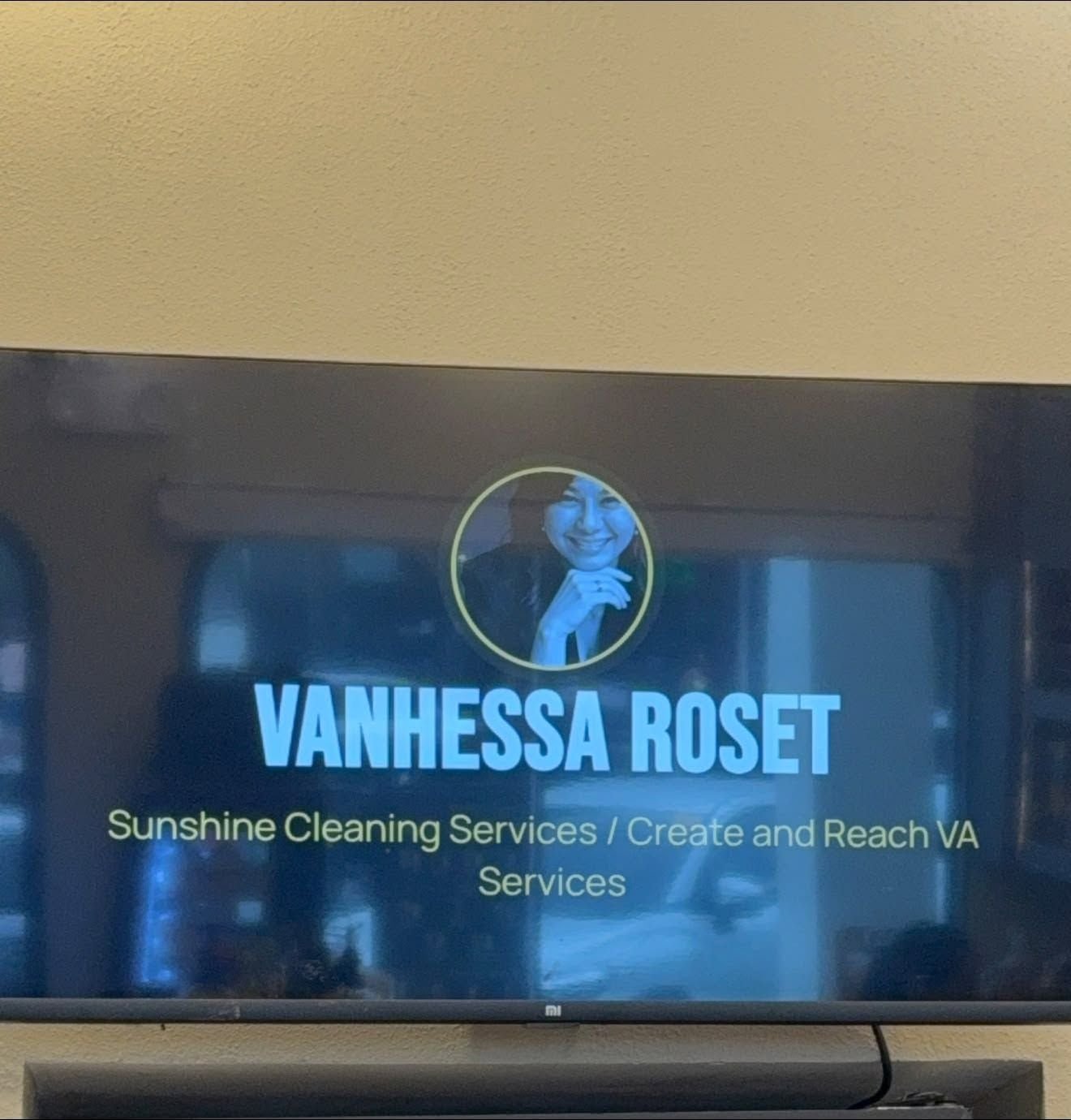
My name and my businesses on the screen at the meeting
So, Welcome to My Little Corner of the Internet!
If you’re reading this, welcome to VanhessaRoset.com. This is where I’ll be sharing my experiences as an entrepreneur, business owner, leader, wife, mother, and lifelong learner. Some stories will be about business, some about technology and AI, some about lessons I learned from people I’ve met, and some will probably be really, really long. But that’s me.
I hope my stories make you think, help you make better decisions, and encourage you to keep learning and asking questions. Of course, I also hope this website helps me grow my business. I’m still an entrepreneur! 😂 But whether you become a client, a business partner, a fellow entrepreneur, or simply someone who enjoys reading my stories, I’m happy you’re here.
One conversation gave me the idea to build a website. But my love for writing is what makes me excited to fill it with stories.
Vanhessa Roset is the AI-empowered Founder and CEO of Create & Reach, a Philippines-based virtual solutions company that supports cleaning and home-service businesses with full-time, AI-empowered administrative and operations support. She has worked in the industry since 2018, first as a virtual assistant, and also runs her own cleaning business in the Philippines, Sunshine Cleaning Services PH. Read more of her lessons on the Insights page, or visit the vanhessaroset.com homepage.
Forget ghosts, vampires, and haunted houses. If you’ve ever owned a business, you already know what real horror looks like.
Halloween is here!
And while everyone is busy dressing up as ghosts, witches, vampires, and monsters, I can’t help but laugh.
Because honestly?
As a business owner, I don’t need Halloween to experience horror. I experience it all year round. HAHAHA!
I’ve been an entrepreneur for years. I’ve started businesses, managed employees, dealt with clients, made difficult decisions, and even closed businesses I once believed would become successful.
And let me tell you something.
Some of the scariest stories I’ve experienced have absolutely nothing to do with ghosts.
They involve people, money, operations, and unexpected problems that somehow always happen at the worst possible time.
So this Halloween, instead of sharing a typical scary story, I thought I’d share something every entrepreneur can relate to.
Welcome to the real horror stories of business ownership.
And if you’re planning to become an entrepreneur, consider this your friendly warning. 😂
Horror Story #1: The Client Who Suddenly Became a Ghost 👻
You had a great conversation.
The client was excited.
You discussed the proposal, agreed on the next steps, and everything seemed promising.
They even said:
“Let’s move forward!”
And then…
Silence.
You followed up.
No response.
You sent another message.
Still nothing.
You checked whether your email went to spam.
You checked Messenger.
You checked WhatsApp.
At some point, you’re wondering whether the client has disappeared from the face of the earth.
But here’s the funny part.
They’re still posting on social media.
HAHAHAHA!
Business lesson: Not every interested prospect is ready to buy, and not every verbal commitment is a confirmed sale.
Build a follow-up process, qualify your leads, and never depend on one promising conversation to meet your sales target.
And please, don’t forget to track your pipeline.
Sometimes the lead isn’t dead. It just needs proper follow-up.
Horror Story #2: The Employee Who Disappeared on the Busiest Day
Imagine this.
It’s Monday.
You have clients waiting, schedules to manage, deadlines to meet, and a full workload.
Then one of your employees doesn’t show up.
No message.
No update.
No explanation.
You call.
No answer.
You send a message.
Still nothing.
Now everyone else has to adjust.
The manager becomes the backup.
The owner suddenly becomes the operations team.
And the whole day turns into a rescue mission.
Congratulations!
You’ve just unlocked another level of entrepreneurship.
Business lesson: Never build an operation where everything depends on one person.
Document processes, create backup plans, cross-train people, and develop leaders who can handle unexpected situations.
And remember, accountability isn’t about being unnecessarily strict.
It’s about making sure one person’s absence doesn’t become everyone else’s emergency.
Horror Story #3: The Customer Who Loves Your Service but Forgets to Pay 💸
This one is a classic.
The customer is happy.
The service was delivered.
Everything went well.
They even thanked you.
You send the invoice.
Seen.
You follow up.
Seen.
You send another polite reminder.
Suddenly, communication becomes very difficult.
But the bills don’t disappear.
Your employees still need their salaries.
Your suppliers still need payment.
Your rent is still due.
And somehow, you’re the one feeling uncomfortable asking for money you’ve already earned.
Business lesson: Revenue isn’t the same as cash flow.
Just because you’ve delivered a service or issued an invoice doesn’t mean the money is already in your bank account.
Have clear payment terms, collect deposits when appropriate, monitor receivables, and establish a consistent collection process.
Because you cannot pay your employees with unpaid invoices.
And yes, you can be kind and professional while still protecting your business.
Horror Story #4: You’re Getting Customers, but You’re Not Making Money
Now this one?
This is a different kind of nightmare.
Your calendar is full.
Your team is busy.
Customers keep coming.
You’re working harder than ever.
And then you check your financial reports.
Wait…
Where is the profit?
How can the business be so busy but have so little money left?
That’s when you realize you may have been confusing activity with profitability.
I think this is one of the most dangerous situations for business owners.
Because from the outside, everything looks successful.
You have customers.
You have employees.
You have an office.
You have sales.
But if your pricing, operating expenses, productivity, and margins aren’t being monitored, you might be running a very busy business that isn’t financially sustainable.
Business lesson: Sales are important, but profit and cash flow keep your business alive.
Know your numbers.
Understand your cost of service.
Monitor your margins.
And stop assuming that a full calendar automatically means a healthy company.
Sometimes the scariest thing isn’t having no customers.
It’s having so many customers that you don’t notice you’re losing money.
Horror Story #5: The Client Who Wants Everything for Almost Nothing
Have you ever encountered someone who wants premium service, immediate results, unlimited revisions, round-the-clock availability, and a dedicated team…
But their budget is equivalent to one cup of coffee?
Okay, maybe I’m exaggerating.
But you understand what I mean. 😂
I’ve learned that not every potential customer is necessarily the right customer.
And sometimes, the pressure to close a deal causes business owners to agree to things they shouldn’t.
We lower the price.
We add extra services.
We make exceptions.
We promise too much.
And before we know it, we’re delivering far more than what the agreement actually covers.
Business lesson: Know your value, your scope, and your costs.
You don’t have to accept every client.
You don’t have to say yes to every request.
And you don’t have to make your business financially unsustainable just to make someone happy.
A good partnership requires mutual respect, clear expectations, and an arrangement that works for both sides.
Horror Story #6: The Business That Lives Only in Your Head
This horror story doesn’t have a ghost.
It has an owner who knows everything.
Every process.
Every password.
Every client preference.
Every little detail.
And everyone constantly asks:
“Ma’am, how do I do this?”
“Ma’am, what should I do?”
“Ma’am, where can I find it?”
“Ma’am, can you approve this, please?”
You finally take a day off.
Then your phone starts ringing.
And ringing.
And ringing.
Suddenly, your vacation becomes a remote operations meeting.
Sound familiar?
Business lesson: If the business cannot function whenever you’re unavailable, you haven’t built enough organizational capacity yet.
Start documenting your processes.
Build SOPs.
Train your people.
Delegate decisions appropriately.
And develop managers who can think and act responsibly without asking for your permission on everything.
Being hands-on is important, especially when you’re building your company.
But being hands-on doesn’t mean staying the bottleneck forever.
Your goal is to understand the business well enough to build systems and leaders who can eventually run daily operations without depending entirely on you.
Horror Story #7: The Last-Minute Cancellation
You prepared everything.
The team is ready.
The schedule is finalized.
Resources have been allocated.
Then the customer sends a message:
“Sorry, can we cancel?”
Of course.
And somehow, it happens when you already have people assigned, costs committed, and another customer you previously turned away.
Now you have to rearrange the schedule, contact employees, manage the customer’s expectations, and figure out how to minimize the loss.
In service businesses, cancellations can affect much more than one booking.
Business lesson: Build clear cancellation policies and communicate them before confirming jobs.
Maintain a waitlist when practical.
Track repeat cancellations.
And learn how to forecast staffing and capacity instead of assuming every confirmed booking will proceed exactly as planned.
You cannot prevent every cancellation.
But you can reduce the chaos it creates.
Horror Story #8: The Business Partner or Relationship That Changes Everything
This one isn’t funny.
And I think many entrepreneurs will understand why.
Sometimes, you start a business with people you trust.
You share a vision.
You believe you’re working toward the same goals.
Everything seems clear at the beginning.
But as the business grows, expectations change.
People change.
Circumstances change.
And suddenly, you realize that a relationship you thought was strong isn’t enough to protect the business from disagreements.
I have learned that even when you start a company with the best intentions, you still need proper agreements, clear responsibilities, and transparency.
Especially when family and friends are involved.
Because no matter how much you trust someone, a business needs structure.
Business lesson: Protect the relationship and the business by making expectations clear from the beginning.
Put agreements in writing.
Clarify ownership, responsibilities, decision-making authority, financial arrangements, and exit procedures.
And please, don’t assume that difficult conversations are unnecessary just because you’re family or friends.
Sometimes those conversations are exactly what protect your relationship in the long run.
Horror Story #9: The Business You Worked So Hard to Build… but Had to Close
This one is personal.
I’ve experienced starting a business with excitement and big dreams.
I’ve experienced investing time, effort, money, and emotions into something I genuinely believed in.
And I’ve also experienced making the difficult decision to let a business go.
My cleaning business journey in New Zealand taught me that even a company with customers and potential may not be sustainable under your current circumstances.
We tried operating remotely.
We tried rebuilding.
We tried making it work.
But eventually, I realized that the business needed a level of hands-on management and local leadership that we couldn’t consistently provide.
So we made the decision to close that chapter.
I’ve learned that sometimes the most difficult decision isn’t starting a business.
It’s accepting that the business you’ve worked so hard to build is no longer the right one to continue.
Business lesson: Don’t let your past investment become the only reason you keep investing.
Look at the numbers.
Look at the operations.
Look at the opportunities.
And consider the impact on your family, employees, and other responsibilities.
Closing a business doesn’t automatically mean you failed.
Sometimes, it means you’ve learned enough to make a better decision.
And if you’re interested in that story, I’ve shared our journey here:
Horror Story #10: You Finally Become Your Own Boss… and Discover You Have More Bosses Than Ever
Remember when you wanted to become an entrepreneur because you wanted freedom?
No boss.
Flexible schedule.
Financial independence.
More time for family.
Then you started your business.
And suddenly…
Your customers are calling.
Your employees need guidance.
Your accountant has questions.
Your suppliers need payment.
Your managers need decisions.
And your phone apparently doesn’t understand the meaning of a rest day.
HAHAHAHA!
Welcome to entrepreneurship!
I’m laughing, but there’s something important here.
Business lesson: Becoming your own boss doesn’t automatically give you freedom.
It gives you responsibility.
Freedom comes later, when you’ve built the right systems, developed capable leaders, established stable finances, and created a business that doesn’t depend on you for every decision.
And even then, leadership and accountability remain yours.
That’s what makes building a business challenging.
But also incredibly rewarding.
So, How Do We Survive These Business Horrors?
After years of running businesses and working with business owners, I’ve realized that many of our worst nightmares are not really about bad luck.
Sometimes, they’re about missing systems.
Unclear expectations.
Poor communication.
Lack of preparation.
Weak financial controls.
Or responsibilities that were never properly assigned.
Of course, not everything is within our control.
Customers will cancel.
People will leave.
Some deals won’t push through.
Unexpected situations will happen.
But what matters is how we prepare for them and how we respond.
And here’s something I strongly believe in:
You don’t have to face every business problem alone.
You can build a team.
You can develop leaders.
You can hire people who are better than you in certain areas.
You can use technology, automation, and AI to make your operations more efficient.
You can work with virtual assistants who help manage repetitive tasks, customer communication, scheduling, follow-ups, and administrative work.
That’s also the philosophy behind what we do at Create & Reach.
Not to replace the responsibility of business owners.
But to give them more capacity to focus on the things that really matter.
Leadership.
Growth.
Their people.
Their customers.
And yes, their families and personal lives, too.
Because entrepreneurship shouldn’t mean sacrificing every part of your life just to keep your company running.
This Halloween, My Team and I Created Something for My Fellow Business Owners 🎃
Since business ownership already comes with so many terrifying moments, I thought…
It’s an interactive Halloween experience inspired by the real operational challenges entrepreneurs face.
You’ll encounter disappearing leads, unexpected cancellations, cleaner no-shows, staffing shortages, unpaid invoices, missing SOPs, and sales records lost in the fog.
And here’s the twist:
You won’t have to face those nightmares alone.
Throughout the game, you’ll see how a business owner and a virtual assistant can work together to solve problems, organize chaos, and keep operations moving.
There are seven chapters to complete, and you can even earn your own Business Survival Certificate.
My team and I built it because I believe business education doesn’t always need to be serious or boring.
Sometimes, we learn better when we’re having fun.
And sometimes, laughing about our challenges makes entrepreneurship feel a little less lonely.
The story of Sunshine Cleaning Services, the people who helped us along the way, and why being a business owner means being willing to show up.
Yes, me: heading into a clean in New Zealand
There was a time when my husband and I genuinely believed we were going to build our future in New Zealand.
We even brought our entire family there.
We had plans. We had a business. We had dreams of creating something that could eventually become much bigger.
But life had a different plan for us.
Today, I want to share a chapter of my entrepreneurial journey that I haven’t talked about much.
It’s the story of how we started a cleaning business in New Zealand, how we tried to save it, why we gave it another chance, and why we eventually decided to let it go.
Not because we stopped believing in the cleaning industry.
Not because the business had no customers.
But because sometimes, no matter how much potential a business has, the circumstances around it matter just as much.
And this experience taught me lessons about business, family, leadership, and life that I will carry with me forever.
It All Started Because We Wanted to Help Someone
Our journey didn’t begin with a grand business expansion strategy.
It started with a conversation with a family member who was living in New Zealand.
They told my husband and me that they wanted to start something of their own. Something that could eventually provide financial security and a source of income without having to work so hard forever.
In other words, they wanted to create passive income.
And I thought, why not?
At that time, I was already running Create & Reach Virtual Assistance Services, where we help cleaning business owners around the world manage different aspects of their operations.
We were already familiar with the industry.
We understood customer inquiries, bookings, scheduling, follow-ups, sales, and the systems cleaning business owners use to manage their companies.
And I remember thinking:
If we’re already helping other people manage and grow their cleaning businesses, why don’t we start one ourselves?
Since our relative was already living in New Zealand, it seemed like a good opportunity.
So my husband and I decided to help.
Looking back, our intentions were good.
But we underestimated what it would actually take.
We Went to New Zealand and Started From Scratch
Where it started: June 2023, when we launched Sunshine Cleaning Services in New Zealand
We didn’t just come up with a business name and hope everything would work out.
We traveled to New Zealand.
We went through the process of registering the business, visited the offices we needed to deal with, worked on the requirements, and started building the company from the ground up.
That was how Sunshine Cleaning Services New Zealand began.
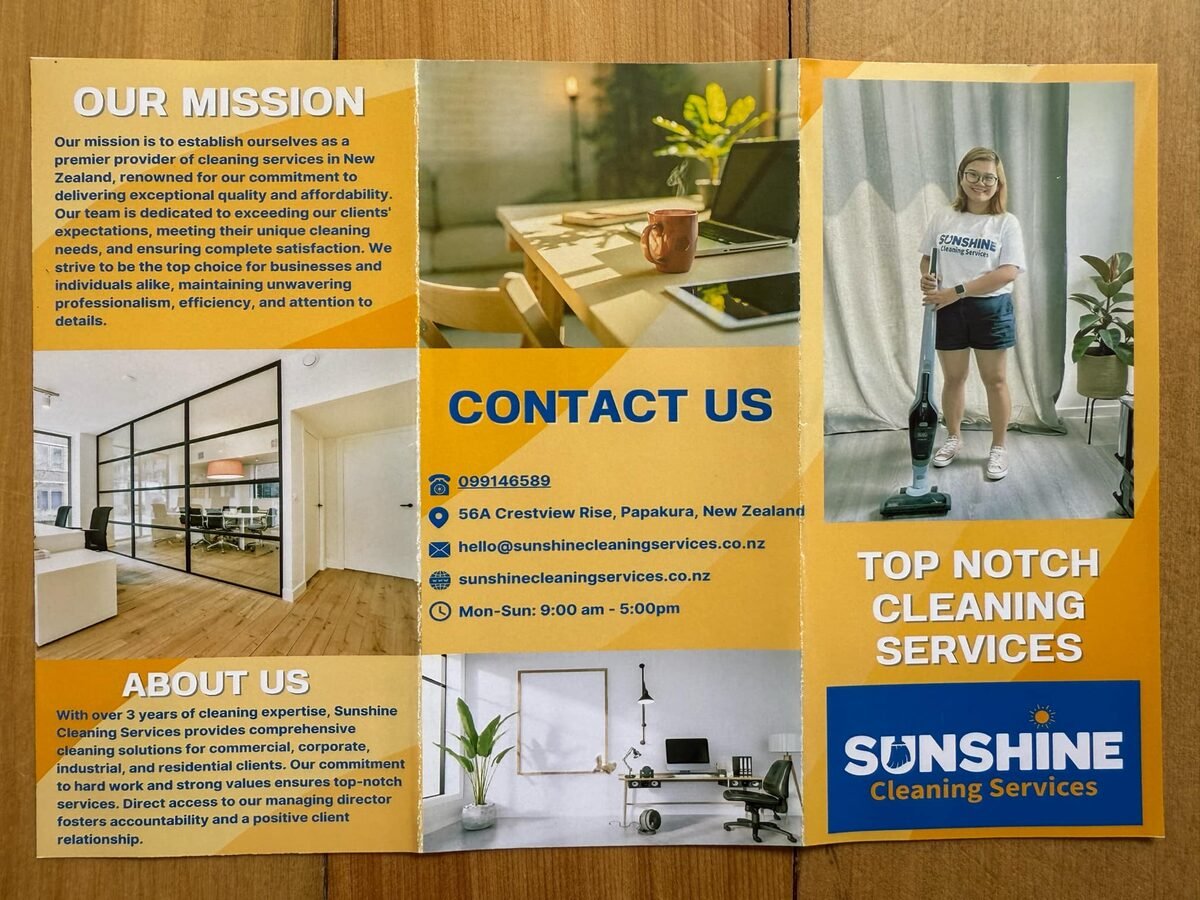
Our first Sunshine Cleaning Services brochure in New Zealand
We had to learn about the market, understand local customer expectations, find cleaning opportunities, and work out the actual operations.
And eventually, we started getting customers.
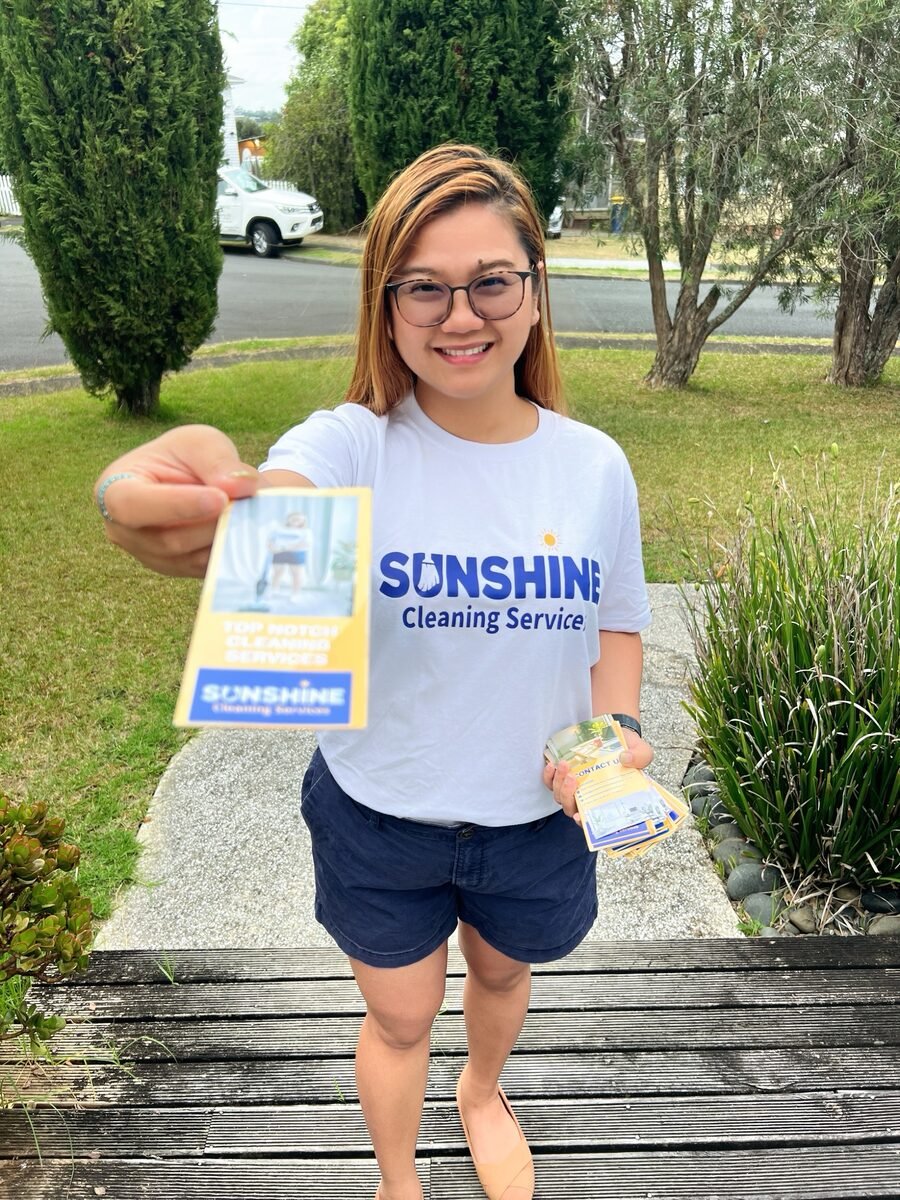
Handing out our brochures, one door at a time
We generated sales.
We secured cleaning jobs.
We were building something.
I was excited because, for years, I had been helping other cleaning companies through my virtual assistance business.
But this time, we weren’t just supporting cleaning businesses.
We actually owned one.
However, there was one major challenge.
I couldn’t remain in New Zealand permanently at that time.
After helping establish the business, I returned to the Philippines and tried managing things remotely.
And that’s when reality started to sink in.
I Thought Running a Cleaning Business Remotely Would Be Easy
Because I already operated a virtual assistance company, I genuinely thought running our cleaning business remotely would be manageable.
After all, our team at Create & Reach had been helping cleaning business owners with customer service, scheduling, bookings, estimates, follow-ups, and administrative operations.
How different could it be?
Well, apparently, very different.
I realized that supporting a cleaning business remotely is not the same as being responsible for an entire cleaning business without having a reliable person managing the work on the ground.
When you’re the owner, everything ultimately comes back to you.
Finding trustworthy cleaners.
Making sure they’re properly trained.
Checking whether they show up.
Inspecting their work.
Handling customer complaints.
Meeting prospective clients.
Preparing proposals.
Making sure the service is delivered according to expectations.
My original motivation for studying in New Zealand wasn’t purely academic.
I wanted to pursue my studies while having the opportunity to spend an extended period in the country and be more involved in our business.
And eventually, my husband and I began seriously considering making New Zealand our family’s permanent home.
We even brought our children with us.
Imagine that.
What started as a business idea to help a relative had become a major life decision involving our entire family.
We were no longer thinking only about growing a cleaning company.
We were also imagining our future there.
And while studying, I continued learning about the cleaning industry firsthand.
That’s when my perspective changed even more.
From CEO to Cleaner, Salesperson, and Everything in Between
One of the things I’m most grateful for is that I didn’t just manage the business behind a laptop.
I experienced the actual work.
I even cleaned houses myself.
Yes, me.
The same person running a virtual assistance company in the Philippines was also learning what it really took to deliver cleaning services in New Zealand.
And I’m not ashamed of that.
In fact, I’m proud of it.
I learned how to prepare proposals.
I learned how to properly quote cleaning jobs.
I learned how to communicate with property managers.
I learned about residential cleaning requirements and commercial cleaning opportunities.
We handled residential jobs.
We also secured commercial cleaning work.
My husband RJ, on the job with our Sunshine team
I learned how to evaluate jobs based on the actual time, effort, supplies, and resources required.
And I discovered the difference between what looks profitable on paper and what happens when you’re the person responsible for service delivery.
Because when you’re sitting in front of a laptop, it’s easy to create a schedule.
But when you’re actually doing the cleaning, you understand what that schedule means.
You understand how physically demanding the work can be.
You understand the importance of proper pricing.
You understand why cleaners need training, equipment, clear expectations, and support.
And you understand why quality control matters so much.
That experience changed the way I looked at cleaning businesses.
It also gave me an even greater appreciation for the clients we serve through Create & Reach.
Because now, I wasn’t just someone who understood cleaning business systems.
I was someone who had actually done the work.
And no amount of reading, watching videos, or attending seminars could have replaced that experience.
Then Came a Chapter We Didn’t Expect
As our business approached its second year, something happened within the family.
I won’t discuss the details because I believe some things are better kept private.
Not every disagreement needs to become a public story.
What matters is that the situation affected the future of the business.
Because I wasn’t a New Zealand resident, the original company had been registered under our family member’s name.
Eventually, we decided it was best to close that business.
It was disappointing.
We had already spent so much time, energy, and money building it.
We had customers.
We had learned the market.
We had made progress.
And now, we were about to walk away from something we had worked so hard to establish.
But apparently, our story wasn’t finished yet.
And Then There Was Aldrin
This is one part of our journey that I will always remember with gratitude.
During my time at the International College of Auckland, I met my classmate, Aldrin.
When he learned about our situation, he understood how much my husband and I had already invested in the cleaning business.
And he thought it would be such a waste to let everything go.
Sayang naman.
Aldrin was a New Zealand resident, and he was willing to help us.
So rather than abandoning everything, we decided to give the business another chance.
We established a new company under his name and transitioned the existing cleaning operations to the new business.
That’s how Kia Ora Sunshine Cleaning Services came to life.
For my husband and me, Aldrin was truly a blessing during that season.
He stepped in when we needed someone willing to help us continue.
I sometimes describe him as our knight in shining armor because that’s genuinely how I felt.
And I will always be grateful for his kindness and willingness to help us.
We had a second chance.
Our Sunshine team in New Zealand
And we weren’t going to waste it.
But Eventually, I Had to Return to the Philippines
As I approached the end of my studies, our family circumstances changed.
My husband and children had already returned to the Philippines for personal reasons.
I was the only one left in New Zealand to finish my studies.
I knew I would eventually be going home too.
And that meant facing the same challenge we had encountered when we first started.
Running a cleaning business in New Zealand while living in the Philippines.
But this time, I thought things might be different.
I already understood the market better.
I knew how to prepare proposals.
I had experience dealing with property managers.
We already had customers and cleaning operations.
And I knew the administrative systems.
Surely, we could make it work.
So when I returned to the Philippines, I tried again.
For approximately another year, I continued working on the business remotely.
And here’s something important.
The business wasn’t necessarily failing.
We were operating.
We had cleaning jobs.
We had experience and systems.
But I also knew we were not building the kind of operation that could grow sustainably without stronger local leadership and management.
And that was frustrating.
Because I genuinely believed in the potential of that company.
I still do.
If the circumstances had been different, if we could have remained in New Zealand or established stronger on-the-ground management, I believe the company could have become something much bigger.
But potential is not enough.
You still need execution.
You still need consistency.
And you still need people who can lead.
The Biggest Lesson: You Need to Be Hands-On, Wherever You Build Your Business
This is probably the most important lesson I want to share.
And it doesn’t apply only to entrepreneurs starting companies in another country.
It applies to anyone who wants to start a business, even in their own hometown.
Whether you’re starting a cleaning business in New Zealand, the Philippines, the United States, or just a few streets away from your house, the principle is the same.
You need to be hands-on, especially in the beginning.
And when I say hands-on, I don’t mean you have to do everything yourself forever.
I mean you have to understand your business.
You need to know how the work is done.
You need to understand your customers.
You need to know how to hire, train, and manage people.
You need to understand pricing, expenses, quality control, and service delivery.
You need to build relationships.
You need to be accountable.
I think one of the biggest misconceptions in entrepreneurship is the belief that you can simply register a company, hire people, outsource the work, and immediately enjoy passive income.
I wish it were that easy.
But that’s not how most service businesses work, especially in their early stages.
You cannot automate a business you don’t understand. And you cannot effectively delegate responsibilities you haven’t learned how to manage.
This is something I learned from experience, not just from books or business discussions.
And here’s something I want to make very clear.
Even though I own a virtual assistance company, I will never tell aspiring business owners that hiring a virtual assistant means they no longer need to be involved in their businesses.
That’s not what VAs are for.
Virtual assistants can help you manage bookings, customer inquiries, estimates, scheduling, follow-ups, sales, and administrative responsibilities.
They can free up valuable time so you can focus on leadership, business development, quality, and growth.
But they cannot replace your responsibility as the owner.
The goal of delegation is not to escape responsibility. It’s to create more capacity to lead and grow.
Eventually, yes, you can build a company that operates without requiring your presence every day.
You can hire managers.
You can develop leaders.
You can build systems.
You can establish processes and accountability.
You can create a business that runs effectively without you handling every little thing.
But that freedom is something you build toward.
It’s not something you should automatically expect from Day 1.
And this lesson applies far beyond the cleaning industry.
Whether you’re opening a restaurant, a pharmacy, a coworking space, or any other service business, you need to establish a strong foundation before expecting the business to operate independently.
Being a business owner doesn’t mean you have to do everything. But it does mean you have to understand everything you’re responsible for.
And I learned that lesson the hard way.
Knowing When to Let Go
Eventually, I had to be realistic.
I had already tried managing the business from the Philippines.
I had spent time in New Zealand.
I had enrolled in school and brought my family there.
We had experienced an unexpected business closure.
We had started again with Aldrin’s help.
And I had given the business another year of trying to make remote operations work.
There comes a point when you have to stop asking:
How much more can I sacrifice to keep this business alive?
And start asking:
Is this still where I’m supposed to invest my time, resources, and energy?
Because I wasn’t just responsible for a cleaning business.
I was a wife.
A mother.
And the founder of Create & Reach, a company with its own employees, customers, and responsibilities.
I couldn’t keep dividing my attention indefinitely.
So my husband and I finally made the decision to let Kia Ora Sunshine Cleaning Services go.
It wasn’t easy.
But I believe it was the right decision for that season of our lives.
And I learned that sometimes, keeping a business open isn’t necessarily a sign of success.
Just as closing one isn’t necessarily a sign of failure.
Sometimes, good leadership means recognizing when your time and energy can make a greater difference somewhere else.
I Went Thousands of Miles Looking for an Opportunity. Then I Realized I Was Sitting on a Gold Mine.
Here’s the part that makes me smile when I look back.
I traveled all the way to New Zealand to build a cleaning business.
I invested so much time learning another market.
I worked hard to understand the systems, customers, and operations.
I prepared proposals.
I met property managers.
I cleaned houses.
I learned the business from the ground up.
And somewhere along the way, I realized something.
Why was I trying so hard to build a cleaning company thousands of miles away when there were opportunities waiting for me right here in the Philippines?
I was already sitting on a gold mine.
And I almost didn’t recognize it.
We have talented people here.
We have businesses that need reliable, professional cleaning services.
We have opportunities to create jobs and build something meaningful.
And most importantly, this is where I can be physically present.
This is where I can visit clients.
This is where I can inspect the work.
This is where I can train and support our people.
This is where I can build relationships.
So instead of giving up on the cleaning industry, I decided to bring everything I learned back home.
Even the experience of personally cleaning houses.
All of it.
I’m bringing every lesson with me.
Because sometimes, what looks like a detour is actually preparation for your next chapter.
Maybe God Was Leading Us Home All Along
My husband and I once imagined building our future in New Zealand.
We brought our children there.
We seriously considered staying for good.
We made plans around that dream.
And for a while, I genuinely thought that was where our next chapter would be.
But things didn’t happen the way we expected.
There were challenges.
There were changes.
There were decisions we didn’t want to make.
And there were doors we eventually had to close.
Looking back, I feel that perhaps God was leading our family back to the Philippines all along.
Not because New Zealand wasn’t good to us.
It was.
Auckland, the city that shaped this chapter
I’m grateful for the country, the people, the friendships, the education, and the opportunities that shaped me.
But perhaps that chapter wasn’t meant to become our permanent destination.
Perhaps it was meant to teach us something.
And perhaps those lessons were meant to be brought home.
I don’t know what the future holds.
Maybe one day we’ll build something in New Zealand again.
Maybe we won’t.
But right now, I’m at peace with where we are.
What I Hope Other Entrepreneurs Learn From Our Story
If there’s one thing I want you to take away from this experience, it’s this:
Don’t fall in love with the idea of having a business so much that you forget to understand what it actually takes to operate one.
Don’t assume that having enough money to start a business means you’re ready to run it.
Don’t expect your employees to build your vision for you when you haven’t clearly established what that vision requires.
And don’t assume that systems, automation, or outsourcing can replace the work of building a solid foundation.
You can delegate tasks.
You can hire talented people.
You can build an incredible team.
But as the owner, you must remain accountable for the business you’ve created.
In the beginning, being hands-on is especially important.
You need to understand the work before you can effectively lead others to do it.
You need to understand the problems before you can build systems to solve them.
And you need to understand your customers before you can consistently deliver the experience they’re paying for.
Eventually, your goal should be to build something that doesn’t depend entirely on you.
But you have to earn that freedom through systems, people development, accountability, and consistent execution.
That’s the difference between merely owning a business and building one that can truly grow.
And that is a lesson I hope other entrepreneurs can learn from our journey without having to pay the same price we did.
This Is Not a Failure Story. It’s Part of My Education.
Sometimes, I wonder how things would have turned out if our circumstances had been different.
If we had stayed in New Zealand.
If we had a dependable local management structure.
If we had been able to dedicate more of our time to the company.
Maybe things would have been different.
Maybe Kia Ora Sunshine Cleaning Services would have grown into the business I envisioned.
But I can’t build my future around what ifs.
What I can do is appreciate everything that experience gave me.
It made me a better entrepreneur.
It helped me understand our cleaning business clients at Create & Reach on a much deeper level.
It taught me to respect the people doing the actual work.
It reminded me that building a business takes more than having a good idea.
And it taught me to be more intentional about where I invest my time, energy, and resources.
Most importantly, it gave me the experience and confidence to build another cleaning business here at home.
With Aldrin, who stepped in when we needed help most
To Aldrin, thank you for stepping in when we needed help. My husband and I will always appreciate what you did for us.
To the people who supported our cleaning business in New Zealand, thank you for being part of that journey.
And to every aspiring entrepreneur reading this, I hope our story helps you make better decisions before investing your own hard-earned money.
Because not every business you start will become the business you keep.
But every business you build has the potential to teach you something worth keeping.
I went to New Zealand hoping to build a successful cleaning company. I came home with the knowledge, experience, and perspective to build something better.
And today, I believe that’s worth more than the business we left behind.
Vanhessa Roset is the AI-empowered Founder and CEO of Create & Reach, a Philippines-based virtual solutions company that supports cleaning and home-service businesses with full-time, AI-empowered administrative and operations support. She has worked in the industry since 2018, first as a virtual assistant, and also runs her own cleaning business in the Philippines, Sunshine Cleaning Services PH. Read more of her lessons on the Insights page.